EN
EN  ES
ES  DE
DE  FR
FR  IT
IT  ZH
ZH  JA
JA  PT
PT  TR
TR  KO
KO  PL
PL  AR
AR 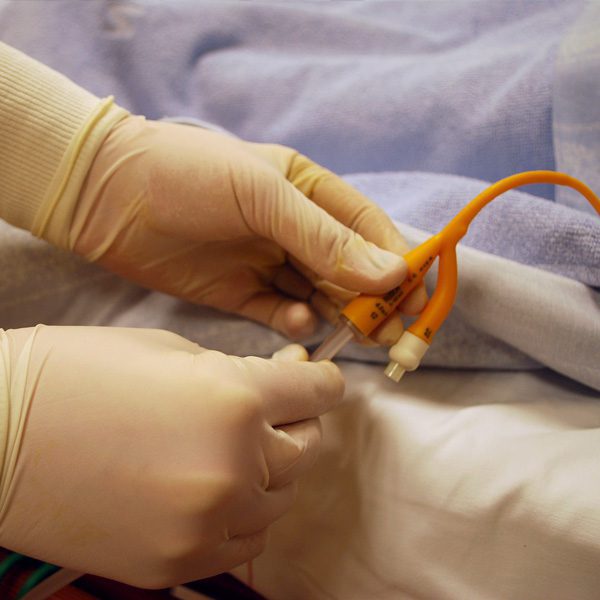
Dimensional and Surface Finish of Polymeric Tubes
Importance of Dimensional and Surface Analysis of Polymeric Tubes
Tubes made from polymeric material are commonly used in many industries ranging from automotive, medical, electrical, and many other categories. In this study, medical catheters made of different polymeric materials were studied using the Nanovea 3D Non-Contact Profilometer to measure surface roughness, morphology, and dimensions. Surface roughness is crucial for catheters as many problems with catheters, including infection, physical trauma, and inflammation can be linked with the catheter surface. Mechanical properties, such as coefficient of friction, can also be studied by observing surface properties. These quantifiable data can be obtained to ensure the catheter can be used for medical applications.
Compared to optical microscopy and electron microscopy, 3D Non-Contact Profilometry using axial chromatism is highly preferable for characterizing catheter surfaces due to its ability to measure angles/curvature, ability to measure material surfaces despite transparency or reflectivity, minimal sample preparation, and non-invasive nature. Unlike conventional optical microscopy, the height of the surface can be obtained and used for computational analysis; e.g. finding dimensions and removing form to find surface roughness. Having little sample preparation, in contrast to electron microscopy, and non-contact nature also allows for quick data collection without fearing contamination and error from sample preparation.
Measurement Objective
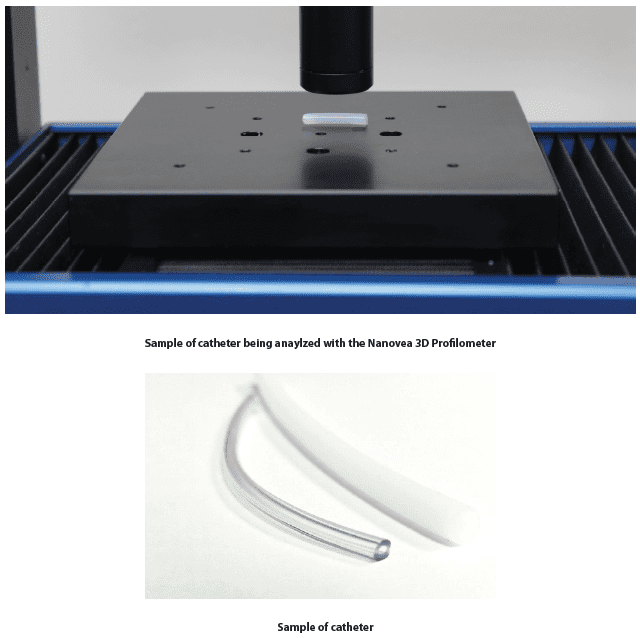
In this application, the Nanovea 3D Non-Contact Profilometer is used to scan the surface of two catheters: one made of TPE (Thermoplastic Elastomer) and the other made of PVC (Polyvinyl Chloride). The morphology, radial dimension, and height parameters of the two catheters will be obtained and compared.
Results and Discussion
3D Surface
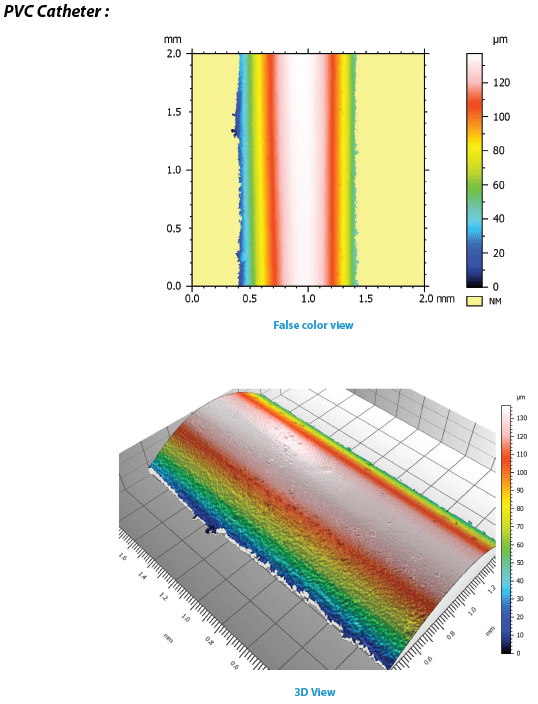
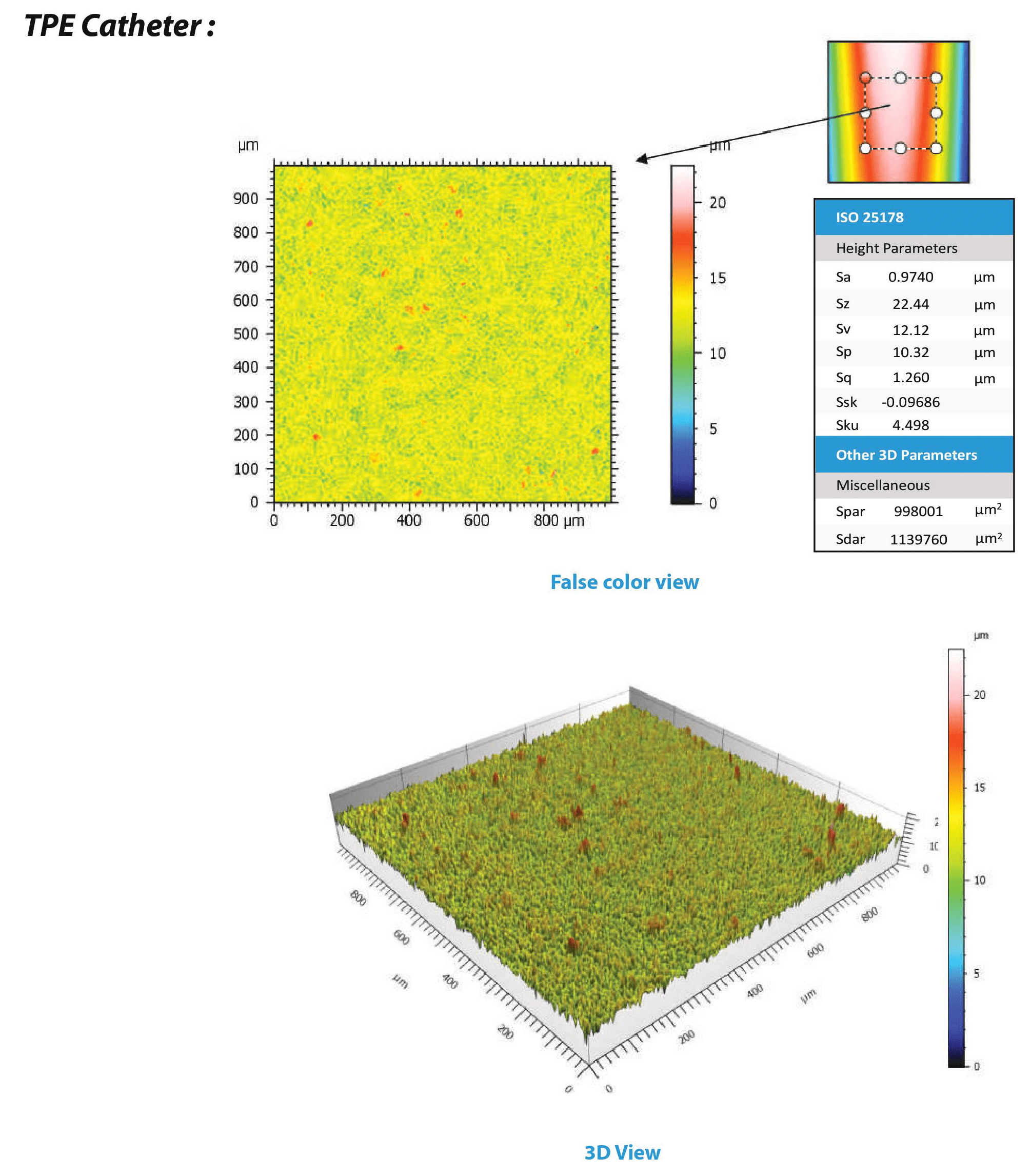
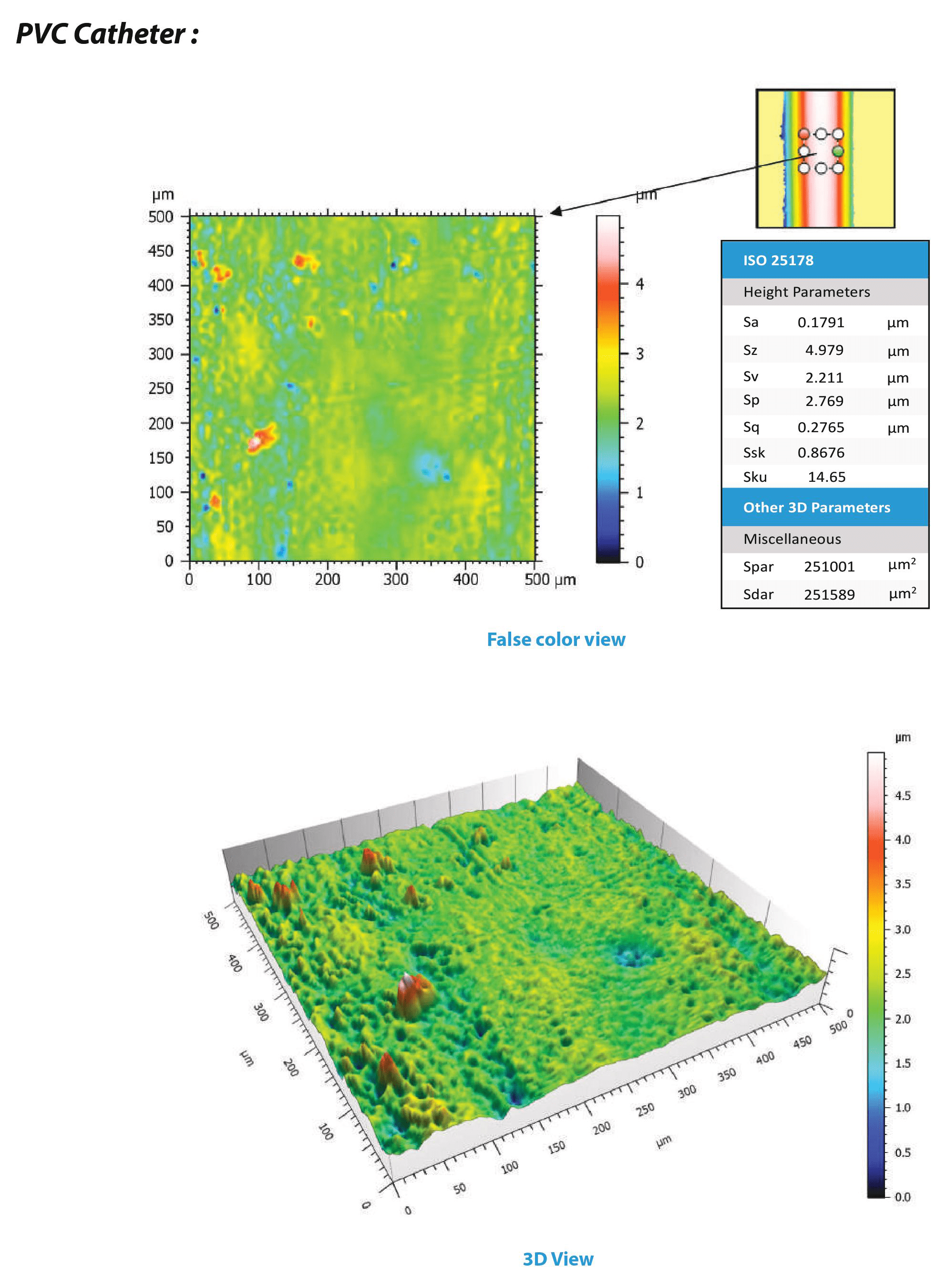
Despite the curvature on polymeric tubes, the Nanovea 3D Non-contact profilometer can scan the surface of the catheters. From the scan done, a 3D image can be obtained for quick, direct visual inspection of the surface.

2D Dimensional Analysis
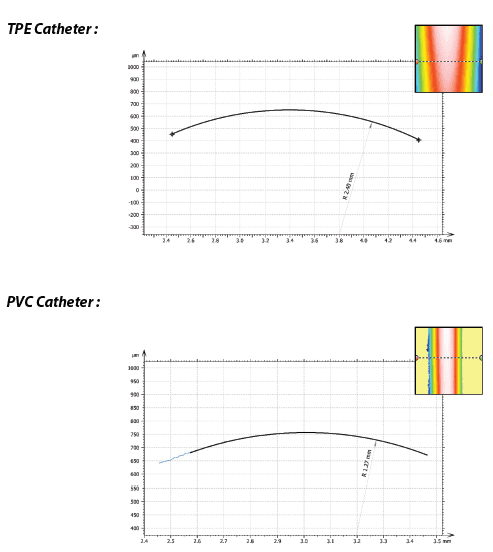
The outer radial dimension was obtained by extracting a profile from the original scan and fitting an arc to the profile. This shows the ability of the 3D Non-contact profilometer in conducting quick dimensional analysis for quality control applications. Multiple profiles can easily be obtained along the catheter’s length as well.
Surface Analysis Roughness
The outer radial dimension was obtained by extracting a profile from the original scan and fitting an arc to the profile. This shows the ability of the 3D Non-contact profilometer in conducting quick dimensional analysis for quality control applications. Multiple profiles can easily be obtained along the catheter’s length as well.
Conclusion
In this application, we have shown how the Nanovea 3D Non-contact profilometer can be used to characterize polymeric tubes. Specifically, surface metrology, radial dimensions, and surface roughness were obtained for medical catheters. The outer radius of the TPE catheter was found to be 2.40mm while the PVC catheter was 1.27mm. The surface of the TPE catheter was found to be rougher than the PVC catheter. The Sa of TPE was 0.9740µm compared to 0.1791µm of PVC. While medical catheters were used for this application, 3D Non-Contact Profilometry can be applied to a large variety of surfaces as well. Obtainable data and calculations are not limited to what is shown.
Tooth Hardness Evaluation using Nanoindentation
Importance of Nanoindentation for Bio Materials
With many traditional mechanical tests (Hardness, Adhesion, Compression, Puncture, Yield Strength, etc.), today’s quality control environments with advanced sensitive materials, from gels to brittle materials, now require greater precision and reliability control. Traditional mechanical instrumentation fails to provide the sensitive load control and resolution required; designed to be used for bulk materials. As the size of material being tested became of greater interest, the development of Nanoindentation provided a reliable method to obtain essential mechanical information on smaller surfaces such as the research being done with biomaterials. The challenges specifically associated with biomaterials have required the development of mechanical testing capable of accurate load control on extremely soft to brittle materials. Also, multiple instruments are needed to perform various mechanical tests which can now be performed on a single system. Nanoindentation provides a wide range of measurement with precise resolution at nano controlled loads for sensitive applications.
Measurement Objective
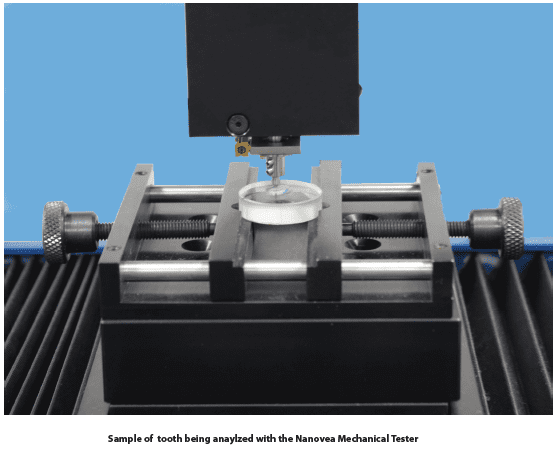
In this application, the Nanovea Mechanical Tester, in Nanoindentation mode, is used to study the hardness and elastic modulus of the dentin, decay, and pulp of a tooth. The most critical aspect with Nanoindentation testing is securing the sample, here we took a sliced tooth and epoxy mounted leaving all three areas of interest exposed for testing.
Results and Discussion
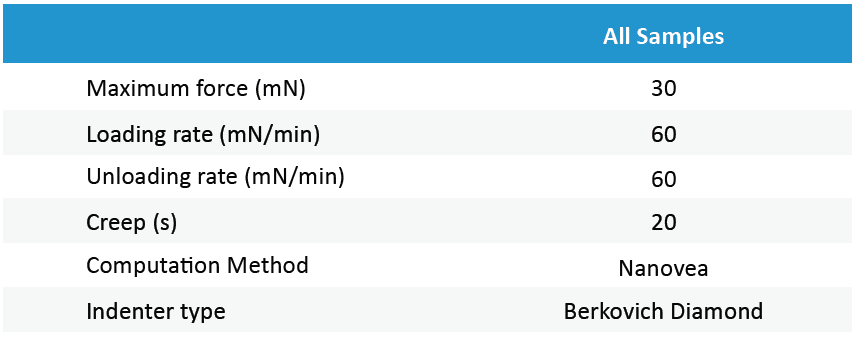
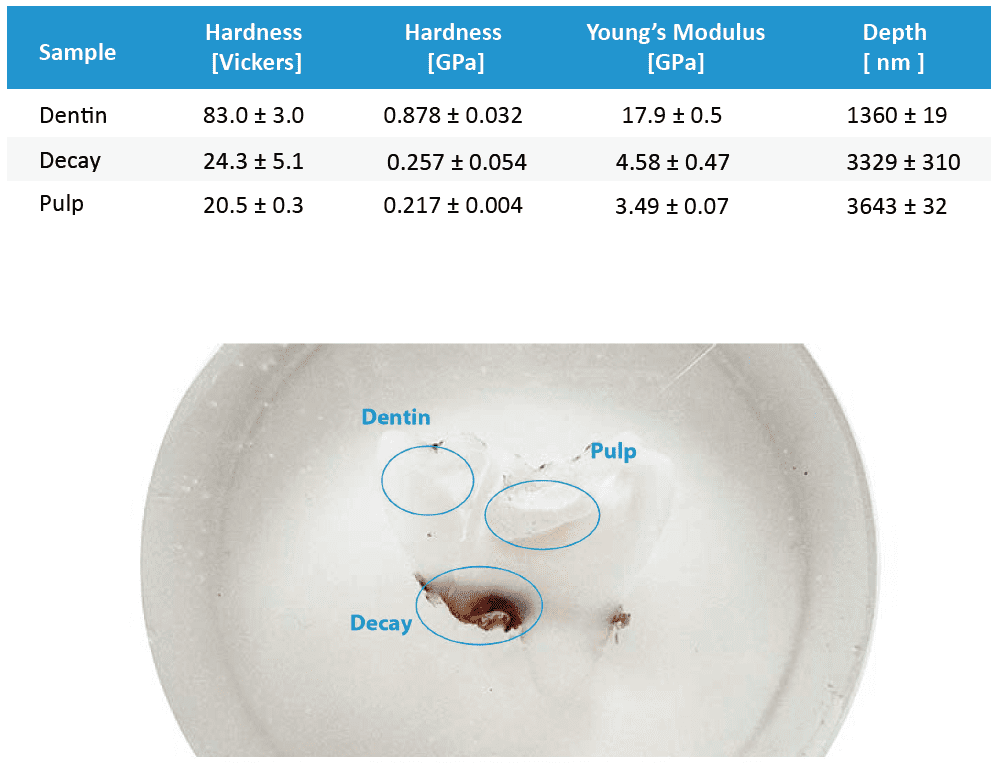
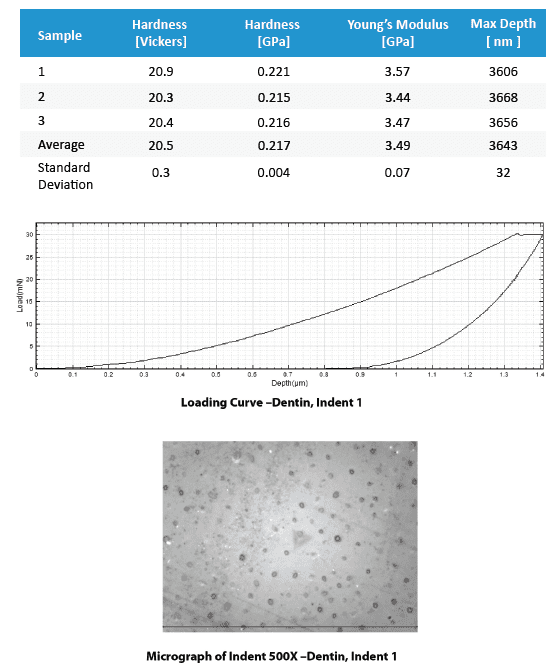
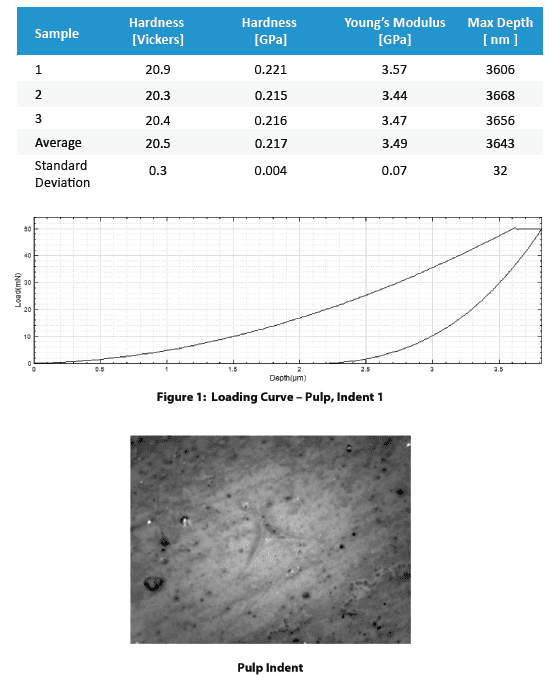
This section includes a summary table that compares the main numerical results for the different samples, followed by the full result listings, including each indentation performed, accompanied by micrographs of the indentation, when available. These full results present the measured values of Hardness and Young’s modulus as the penetration depth with their averages and standard deviations. It should be considered that large variation in the results can occur in the case that the surface roughness is in the same size range as the indentation.
Summary table of main numerical results:

Conclusion
In conclusion, we have shown how the Nanovea Mechanical Tester, in Nanoindentation mode, provides precise measurement of the mechanical properties of a tooth. The data can be used in the development of fillings that will better match the mechanical characteristics of a real tooth. The positioning capability of the Nanovea Mechanical Tester allows full mapping of the hardness of the teeth across the various zones.
Using the same system, it is possible to test teeth material fracture toughness at higher loads up to 200N. A multi-cycle loading test can be used on more porous materials to evaluate the remaining level of elasticity. Using a flat cylindrical diamond tip can give yield strength information in each zone. In addition, with DMA “Dynamic Mechanical Analysis”, the viscoelastic properties including loss and storage moduli can be evaluated.
The Nanovea nano module is ideal for these tests because it uses a unique feedback response to control precisely the load applied. Because of this, the nano module can also be used to do accurate nano scratch testing. The study of scratch and wear resistance of tooth material and filling materials adds to the overall usefulness of the Mechanical tester. Using a sharp 2-micron tip to quantitatively compare marring on filling materials will allow better prediction of the behavior in real applications. Multi-pass wear or direct rotative wear testing are also common tests providing important information on the long term viability.

Friction Evaluation at Extreme Low Speeds


Importance of Friction Evaluation at Low Speeds
Friction is the force that resists the relative motion of solid surfaces sliding against each other. When the relative motion of these two contact surfaces takes place, the friction at the interface converts the kinetic energy into heat. Such a process can also lead to wear of the material and thus performance degradation of the parts in use.
With a large stretch ratio, high resilience, as well as great waterproof properties and wear resistance, rubber is extensively applied in a variety of applications and products in which friction plays an important role, such as automobile tires, windshield wiper blades. shoe soles and many others. Depending on the nature and requirement of these applications, either high or low friction against different material is desired. As a consequence, a controlled and reliable measurement of friction of rubber against various surfaces becomes critical.
Measurement Objective
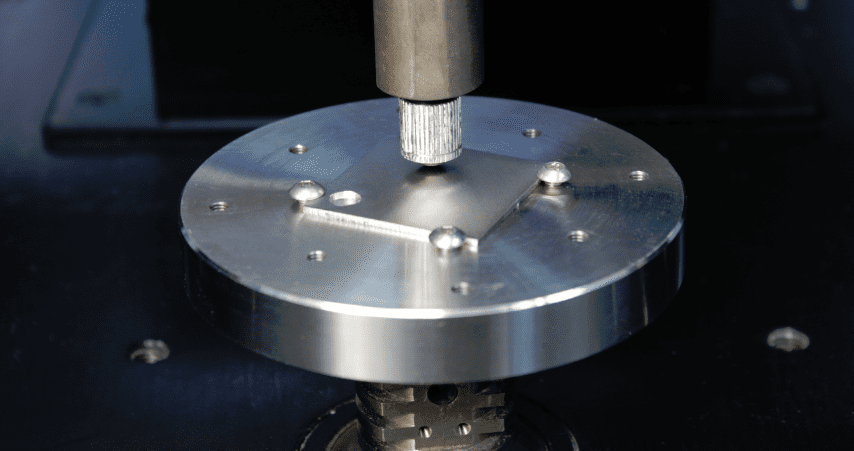
The coefficient of friction (COF) of rubber against different materials is measured in a controlled and monitored manner using the Nanovea Tribometer. In this study, we would like to showcase the capacity of Nanovea Tribometer for measuring the COF of different materials at extremely low speeds.
Results and Discussion
The coefficient of friction (COF) of rubber balls (6 mm dia., RubberMill) on three materials (Stainless steel SS 316, Cu 110 and optional Acrylic) was evaluated by Nanovea Tribometer. The tested metal samples were mechanically polished to a mirror-like surface finish before the measurement. The slight deformation of the rubber ball under the applied normal load created an area contact, which also helps to reduce the impact of asperities or inhomogeneity of sample surface finish to the COF measurements. The test parameters are summarized in Table 1.

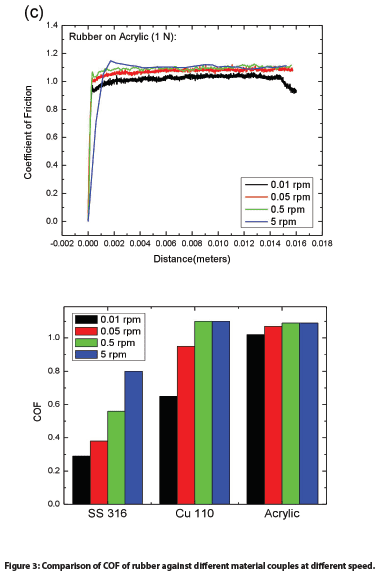
The COF of a rubber ball against different materials at four different speeds is shown in Figure. 2, and the average COFs calculated automatically by the software are summarized and compared in Figure 3. It is interesting that the metal samples (SS 316 and Cu 110) exhibit significantly increased COFs as the rotational speed increases from a very low value of 0.01 rpm to 5 rpm -the COF value of the rubber/SS 316 couple increases from 0.29 to 0.8, and from 0.65 to 1.1 for the rubber/Cu 110 couple. This finding is in agreement with the results reported from several laboratories. As proposed by Grosch4 the friction of rubber is mainly determined by two mechanisms: (1) the adhesion between rubber and the other material, and (2) the energy losses due to the deformation of the rubber caused by surface asperities. Schallamach5 observed waves of detachment of rubber from the counter material across the interface between soft rubber spheres and a hard surface. The force for rubber to peel from the substrate surface and rate of waves of detachment can explain the different friction at different speeds during the test.
In comparison, the rubber/acrylic material couple exhibits high COF at different rotational speeds. The COF value slightly increases from ~ 1.02 to ~ 1.09 as the rotational speed increases from 0.01 rpm to 5 rpm. Such high COF is possibly attributed to stronger local chemical bonding at the contact face formed during the tests.

Conclusion

In this study, we show that at extremely low speeds, the rubber exhibits a peculiar frictional behavior – its friction against a hard surface increases with the increased speed of the relative movement. Rubber shows different friction when it slides on different materials. Nanovea Tribometer can evaluate the frictional properties of materials in a controlled and monitored manner at different speeds, allowing users to improve fundamental understanding of the friction mechanism of the materials and select the best material couple for targeted tribological engineering applications.
Nanovea Tribometer offers precise and repeatable wear and friction testing using ISO and ASTM compliant rotative and linear modes, with optional high-temperature wear, lubrication and tribo-corrosion modules available in one pre-integrated system. It is capable of controlling the rotational stage at extremely low speeds down to 0.01 rpm and monitor the evolution of friction in situ. Nanovea’s unmatched range is an ideal solution for determining the full range of tribological properties of thin or thick, soft or hard coatings, films, and substrates.
Tribology of Polymers
Introduction
Polymers have been used extensively in a wide variety of applications and have become an indispensable part of everyday life. Natural polymers such as amber, silk, and natural rubber have played an essential role in human history. The fabrication process of synthetic polymers can be optimized to achieve unique physical properties such as toughness, viscoelasticity, self-lubrication, and many others.
Importance of Wear and Friction of Polymers
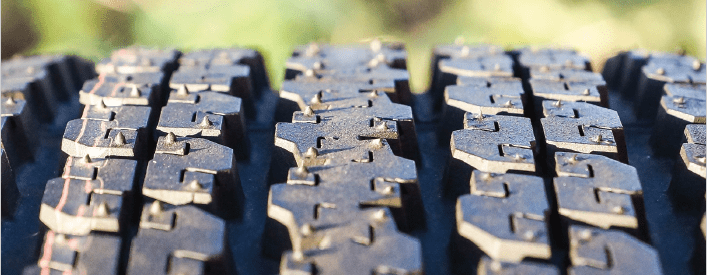
Polymers are commonly used for tribological applications, such as tires, bearings, and conveyor belts.
Different wear mechanisms occur depending on the mechanical properties of the polymer, the contact conditions, and the properties of the debris or transfer film formed during the wear process. To ensure that the polymers possess sufficient wear resistance under the service conditions, reliable and quantifiable tribological evaluation is necessary. Tribological evaluation allows us to quantitatively compare the wear behaviors of different polymers in a controlled and monitored manner to select the material candidate for the target application.
The Nanovea Tribometer offers repeatable wear and friction testing using ISO and ASTM compliant rotative and linear modes, with optional high-temperature wear and lubrication modules available in one pre-integrated system. This unmatched range allows users to simulate the different work environments of the polymers including concentrated stress, wear, and high temperature, etc.
MEASUREMENT OBJECTIVE
In this study, we showcased that the Nanovea Tribometer is an ideal tool for comparing the friction and wear resistance of different polymers in a well-controlled and quantitative manner.
TEST PROCEDURE
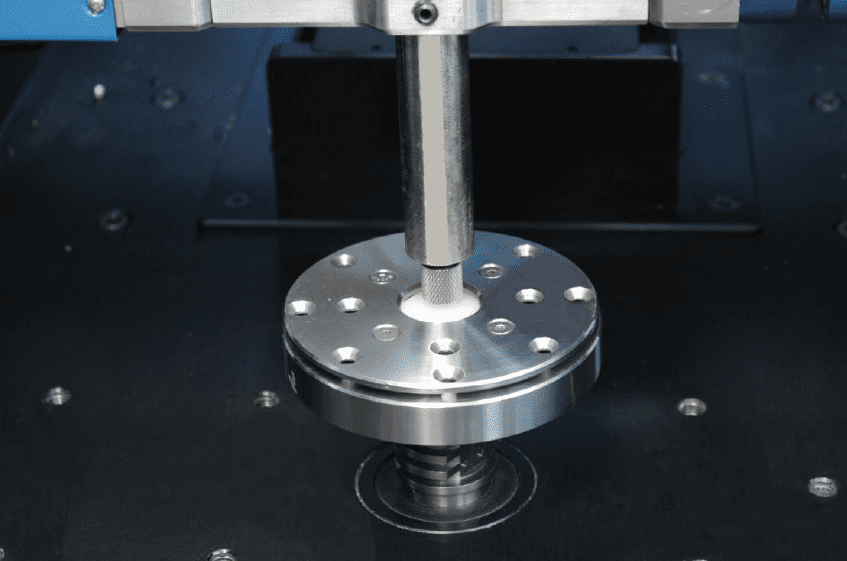
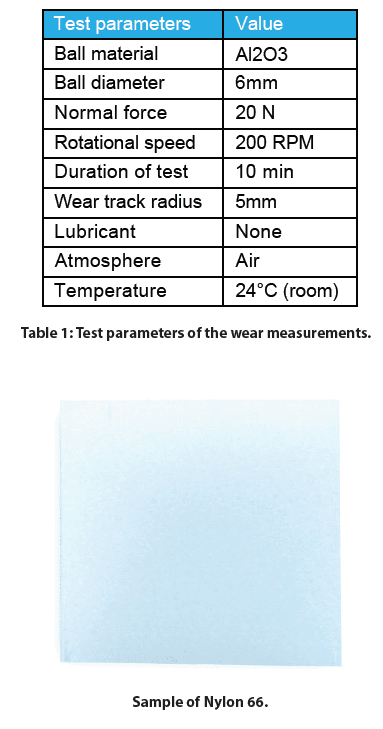
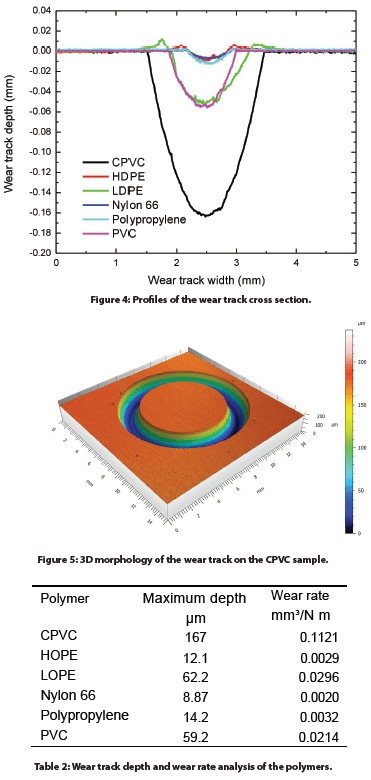
The coefficient of friction (COF) and the wear resistance of different common polymers were evaluated by the Nanovea Tribometer. An Al2O3 ball was used as the counter material (pin, static sample). The wear tracks on the polymers (dynamic rotating samples) were measured using a non-contact 3D profilometer and optical microscope after the tests concluded. It should be noted that a non-contact endoscopic sensor can be used to measure the depth the pin penetrates the dynamic sample during a wear test as an option. The test parameters are summarized in Table 1. The wear rate, K, was evaluated using the formula K=Vl(Fxs), where V is the worn volume, F is the normal load, and s is the sliding distance.
Please note that Al2O3 balls were used as the counter material in this study. Any solid material can be substituted to more closely simulate the performance of two specimens under actual application conditions.
RESULTS AND DISCUSSION
Wear rate is a vital factor for determining the service lifetime of the materials, while the friction plays a critical role during the tribological applications. Figure 2 compares the evolution of the COF for different polymers against the Al2O3 ball during the wear tests. COF works as an indicator of when failures occur and the wear process enters a new stage. Among the tested polymers, HDPE maintains the lowest constant COF of ~0.15 throughout the wear test. The smooth COF implies that a stable tribo-contact is formed.
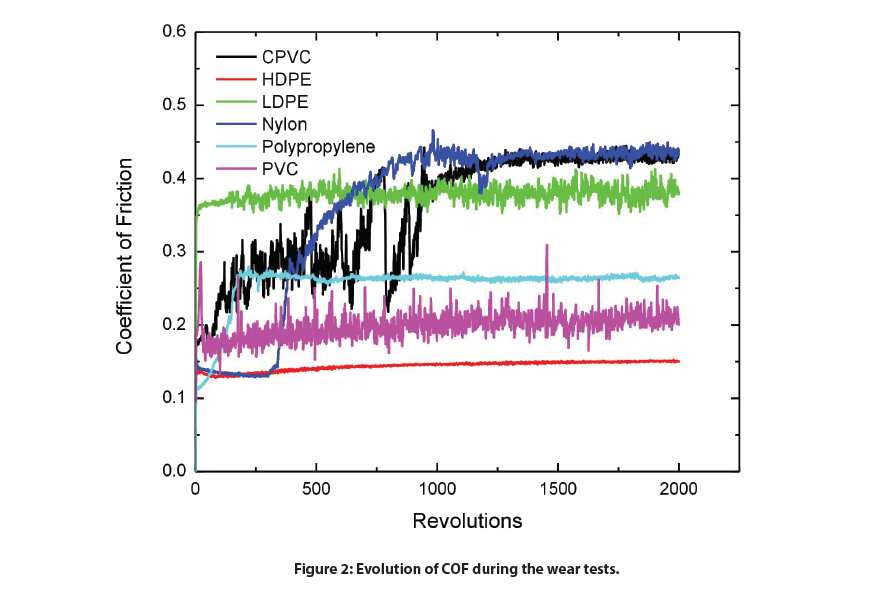
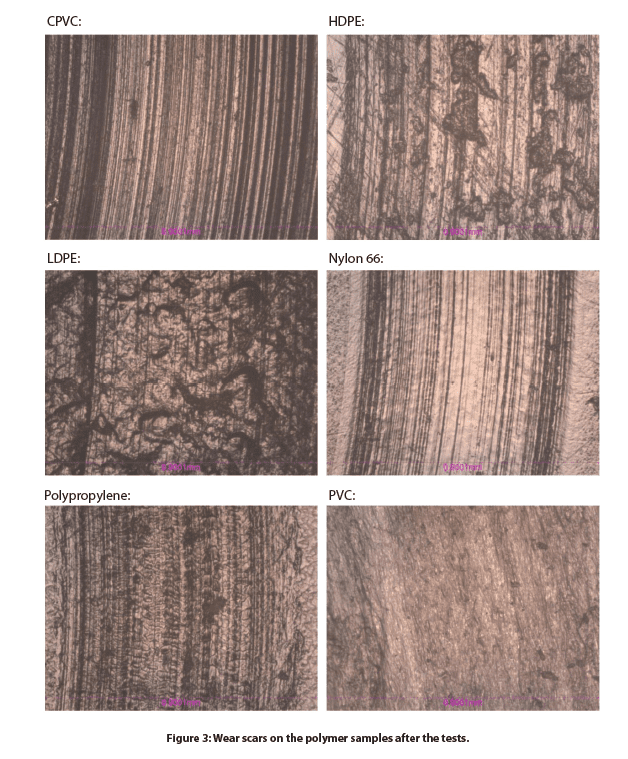
Figure 3 and Figure 4 compare the wear tracks of the polymer samples after the test is measured by the optical microscope. The In-situ non-contact 3D profilometer precisely determines the wear volume of the polymer samples, making it possible to accurately calculate wear rates of 0.0029, 0.0020, and 0.0032m3/N m, respectively. In comparison, the CPVC sample shows the highest wear rate of 0.1121m3/N m. Deep parallel wear scars are present in the wear track of CPVC.
CONCLUSION
The wear resistance of the polymers plays a vital role in their service performance. In this study, we showcased that the Nanovea Tribometer evaluates the coefficient of friction and wear rate of different polymers in a
well-controlled and quantitative manner. HDPE shows the lowest COF of ~0.15 among the tested polymers. HDPE, Nylon 66, and Polypropylene samples possess low wear rates of 0.0029, 0.0020 and 0.0032 m3/N m, respectively. The combination of low friction and great wear resistance makes HDPE a good candidate for polymer tribological applications.
The In-situ non-contact 3D profilometer enables precise wear volume measurement and offers a tool to analyze the detailed morphology of the wear tracks, providing more insight into the fundamental understanding of wear mechanisms

Honeycomb Panel Surface Finish with 3D Profilometry
INTRODUCTION
Roughness, porosity, and texture of the honeycomb panel surface are critical to quantify for the final panel design. These surface qualities can directly correlate to the aesthetics and functional characteristics of the panel surface. A better understanding of the surface texture and porosity can help optimize the panel surface processing and manufacturability. A quantitative, precise, and reliable surface measurement of the honeycomb panel is needed to control surface parameters for application and painting requirements. The Nanovea 3D Non-Contact sensors utilize unique chromatic confocal technology capable of precisely measuring these panel surfaces.
MEASUREMENT OBJECTIVE
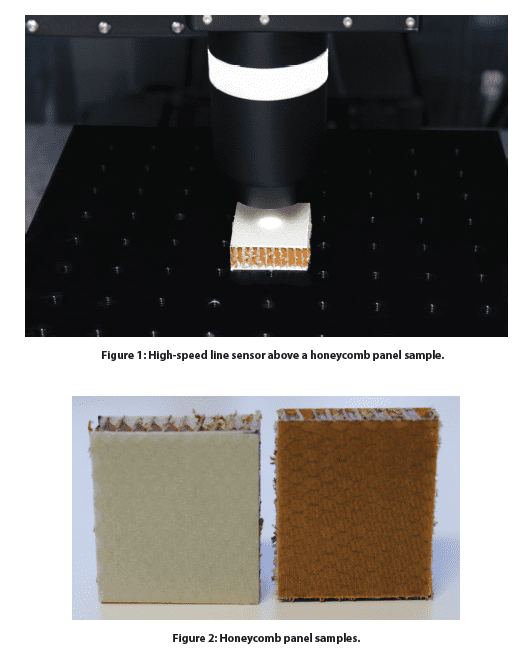
In this study, the Nanovea HS2000 platform equipped with a high-speed Line Sensor was used to measure and compare two honeycomb panels with different surface finishes. We showcase the Nanovea non-contact profilometer’s ability to provide fast and precise 3D profiling measurements and comprehensive in-depth analysis of the surface finish.
RESULTS AND DISCUSSION
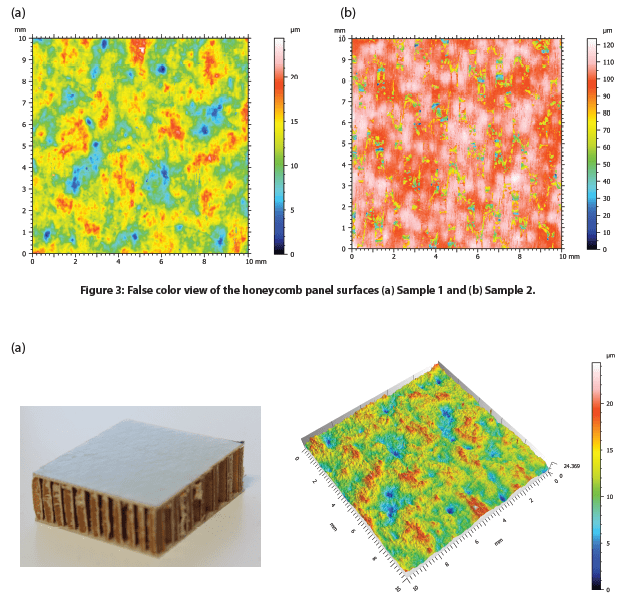
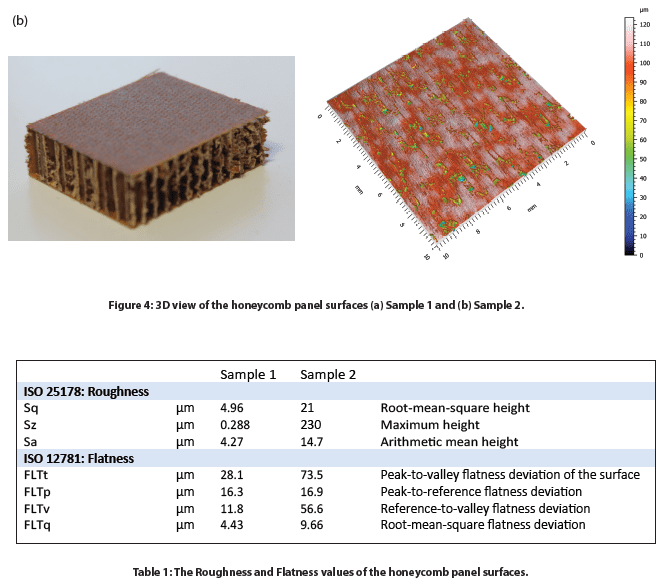
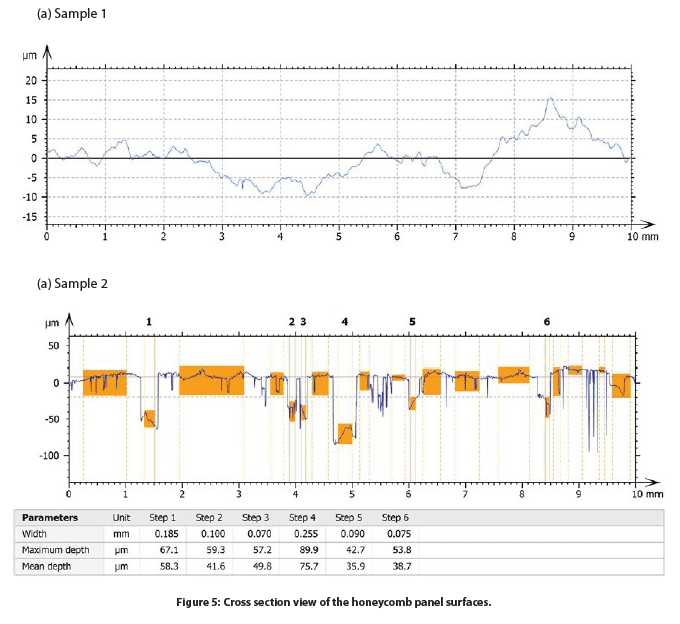
The surface of two honeycomb panel samples with varied surface finishes, namely Sample 1 and Sample 2, were measured. The false color and 3D view of the Samples 1 and 2 surfaces are shown in Figure 3 and Figure 4, respectively. The roughness and flatness values were calculated by advanced analysis software and are compared in Table 1. Sample 2 exhibits a more porous surface compared to Sample 1. As a result, Sample 2 possesses a higher roughness Sa of 14.7 µm, compared to an Sa value of 4.27 µm for Sample 1.
The 2D profiles of the honeycomb panel surfaces were compared in Figure 5, allowing users to have a visual comparison of the height change at different locations of the sample surface. We can observe that Sample 1 has a height variation of ~25 µm between the highest peak and lowest valley location. On the other hand, Sample 2 shows several deep pores across the 2D profile. The advanced analysis software has the ability to automatically locate and measure the depth of six relatively deep pores as shown in the table of Figure 4.b Sample 2. The deepest pore amongst the six possesses a maximum depth of nearly 90 µm (Step 4).
To further investigate the pore size and distribution of Sample 2, porosity evaluation was performed and discussed in the following section. The sliced view is displayed in Figure 5 and the results are summarized in Table 2. We can observe that the pores, marked in blue color in Figure 5, have a relatively homogeneous distribution on the sample surface. The projected area of the pores constitutes 18.9% of the whole sample surface. The volume per mm² of the total pores is ~0.06 mm³. The pores have an average depth of 42.2 µm, and the maximum depth is 108.1 µm.

CONCLUSION

In this application, we have showcased that the Nanovea HS2000 platform equipped with a high-speed Line Sensor is an ideal tool for analyzing and comparing the surface finish of honeycomb panel samples in a fast and accurate manner. The high-resolution profilometry scans paired with an advanced analysis software allow for a comprehensive and quantitative evaluation of the surface finish of honeycomb panel samples.
The data shown here represents only a small portion of the calculations available in the analysis software. Nanovea Profilometers measure virtually any surface for a wide range of applications in the Semiconductor, Microelectronic, Solar, Fiber Optics, Automotive, Aerospace, Metallurgy, Machining, Coatings, Pharmaceutical, Biomedical, Environmental and many other industries.
Stress Relaxation Measurement using Nanoindentation
INTRODUCTION
Viscoelastic materials are characterized as having both viscous and elastic material properties. These materials are subject to time-dependent stress decrease (stress ‘relaxation’) under constant strain, leading to a significant loss of initial contact force. Stress relaxation is dependent on the type of material, texture, temperature, initial stress, and time. Understanding stress relaxation is critical in selecting optimal materials that have the strength and flexibility (relaxation) required for specific applications.
Importance of Stress Relaxation Measurement

As per ASTM E328i, “Standard Test Methods for Stress Relaxation for Materials and Structures”, an external force is initially applied on a material or structure with an indenter until it reaches a predetermined maximum force. Once the maximum force is reached, the position of the indenter is held constant at this depth. Then the change in external force necessary to maintain the indenter’s position is measured as a function of time. The difficulty in stress relaxation testing is maintaining the depth constant. The Nanovea Mechanical Tester’s nanoindentation module accurately measures the stress relaxation by applying a closed (feedback) loop control of the depth with a piezo-electric actuator. The actuator reacts in real-time to keep the depth constant, while the change in load is measured and recorded by a highly sensitive load sensor. This test can be performed on virtually all types of materials without the need for stringent sample dimension requirements. Additionally, multiple tests can be performed on a single flat sample to ensure test repeatability
MEASUREMENT OBJECTIVE
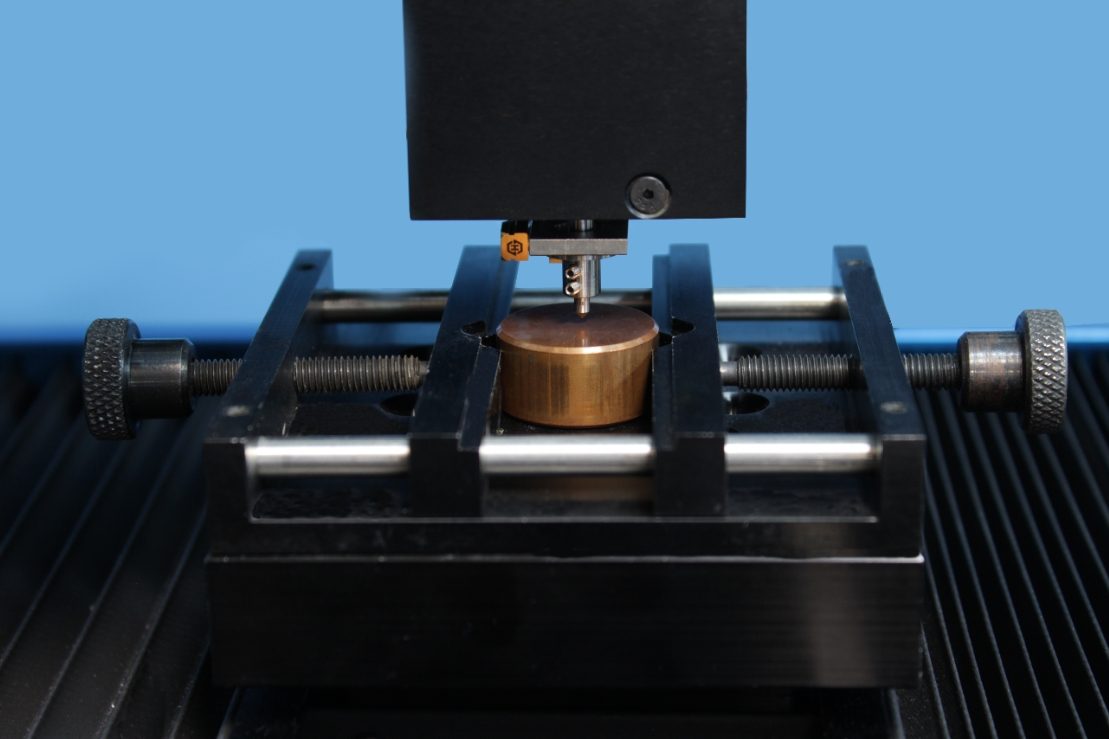
In this application, the Nanovea Mechanical Tester’s nanoindentation module measures the stress relaxation behavior of an acrylic and copper sample. We showcase that the Nanovea Mechanical Tester is an ideal tool for evaluating the time-dependent viscoelastic behavior of polymer and metal materials.
TEST CONDITIONS
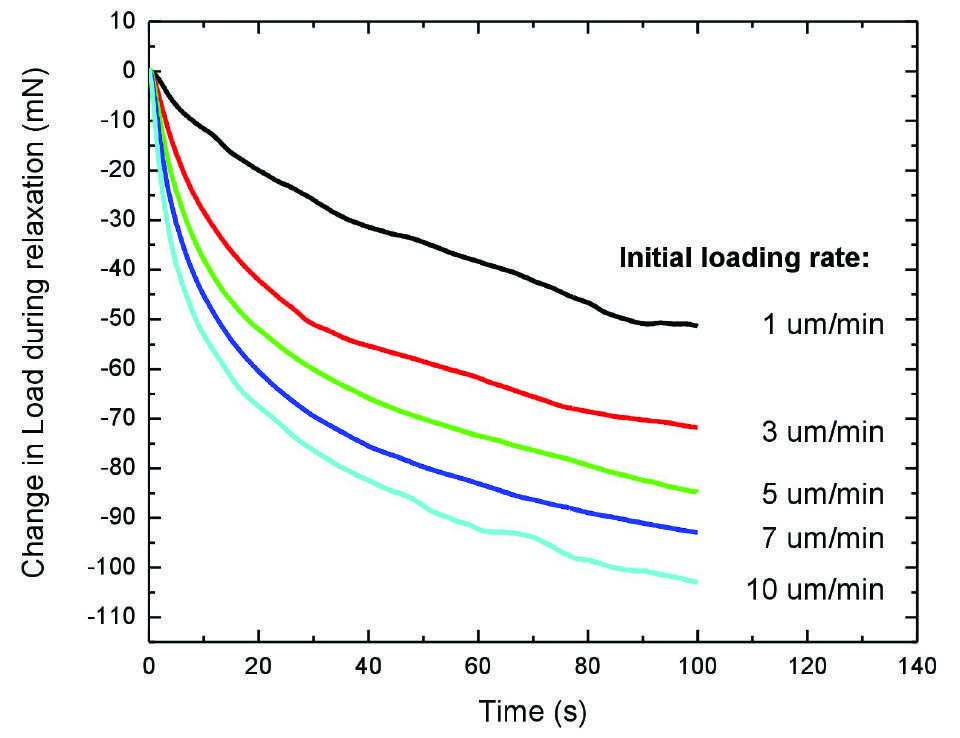
The stress relaxation of an acrylic and a copper sample was measured by the Nanovea Mechanical Tester’s nanoindentation module. Different indentation loading rates were applied ranging from 1 to 10 µm/min. The relaxation was measured at a fixed depth once the target maximum load was reached. A 100 second holding period was implemented at a fixed depth and the change in load was recorded as the holding time elapsed. All of the tests were conducted at ambient conditions (room temperature of 23 °C) and the indentation test parameters are summarized in Table 1.

RESULTS AND DISCUSSION
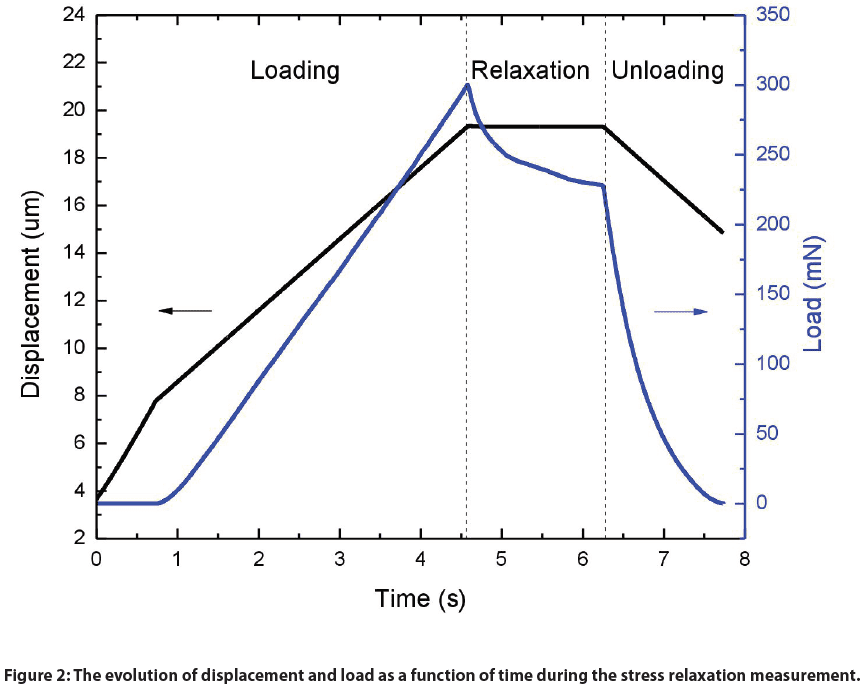
Figure 2 shows the evolution of displacement and load as a function of time during the stress relaxation measurement of an acrylic sample and an indentation loading rate of 3 µm/min as an example. The entirety of this test can be broken down into three stages: Loading, Relaxation and Unloading. During the Loading stage, the depth linearly increased as the load progressively increased. The Relaxation stage was initiated once the maximum load was reached. During this stage a constant depth was maintained for 100 seconds by using the closed feedback loop depth control feature of the instrument and it was observed that the load decreased over time. The entire test concluded with an unloading stage in order to remove the indenter from the acrylic sample.
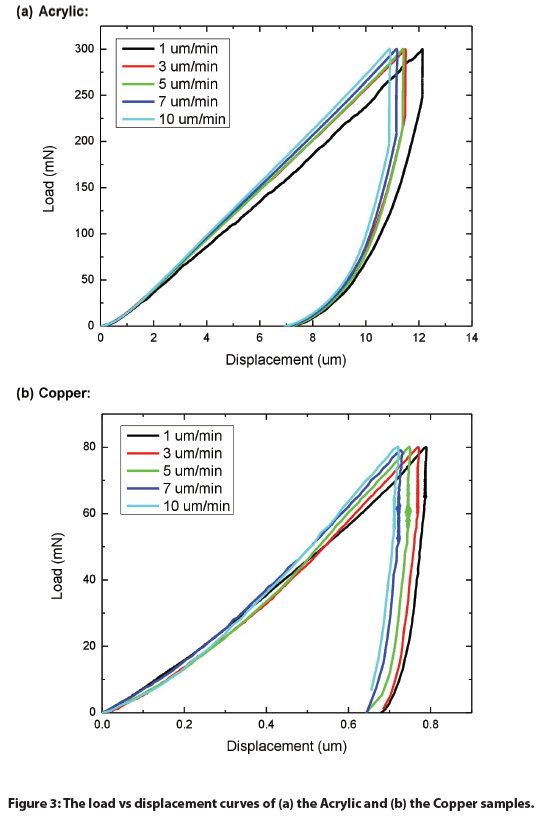
Additional indentation tests were conducted using the same indenter loading rates but excluding a relaxation (creep) period. Load vs. displacement plots were acquired from these tests and were combined in the graphs in Figure 3 for the acrylic and copper samples. As the indenter loading rate decreased from 10 to 1 µm/min, the load-displacement curve shifted progressively towards higher penetration depths for both Acrylic and Copper. Such a time-dependent increase in strain results from the viscoelastic creep effect of the materials. A lower loading rate allows a viscoelastic material to have more time to react to the external stress it experiences and to deform accordingly..
The evolution of load at a constant strain using different indentation loading rates were plotted in Figure 4 for both materials tested. The load decreased at a higher rate in the early stages of the relaxation stage (100 second hold period) of the tests and slowed down once the hold time reached ~50 seconds. Viscoelastic materials, such as polymers and metals, exhibit greater load loss rate when they are subjected to higher indentation loading rates. The load loss rate during relaxation increased from 51.5 to 103.2 mN for Acrylic, and from 15.0 to 27.4 mN for Copper, respectively, as the indentation loading rate increased from 1 to 10 µm/min, as summarized in Figure 5.


As mentioned In ASTM Standard E328ii, the major problem encountered in stress relaxation tests is an instrument’s inability of maintaining a constant strain/depth. The Nanovea Mechanical Tester provides excellent accurate stress relaxation measurements due to its ability to apply a closed feedback loop control of the depth between the fast acting piezo-electric actuator and the independent capacitor depth sensor. During the relaxation stage, the piezo-electric actuator adjusts the indenter to maintain its constant depth constraint in real-time while the change in load is measured and recorded by an independent high precision load sensor.
CONCLUSION

The stress relaxation of an acrylic and a copper sample were measured using the nanoindentation module of the Nanovea Mechanical Tester at different loading rates. A greater maximum depth is reached when indentations are performed at lower loading rates due to the creep effect of the material during loading. Both the acrylic and the copper sample exhibit stress relaxation behavior when the indenter position at a targeted maximum load is held constant. Larger changes in load loss during the relaxation stage were observed for the tests with higher indentation loading rates.
The stress relaxation test produced by the Nanovea Mechanical Tester showcase the instruments ability to quantify and reliably measure the time-dependent viscoelastic behavior of polymer and metal materials. It has an unmatched multi-function Nano and Micro modules on a single platform. Humidity and temperature control modules can be paired with these instruments for environmental testing capabilities applicable to a wide range of industries. Both the Nano and Micro modules include scratch testing, hardness testing, and wear testing modes, providing the widest and most user-friendly range of mechanical testing capabilities available on a single system.
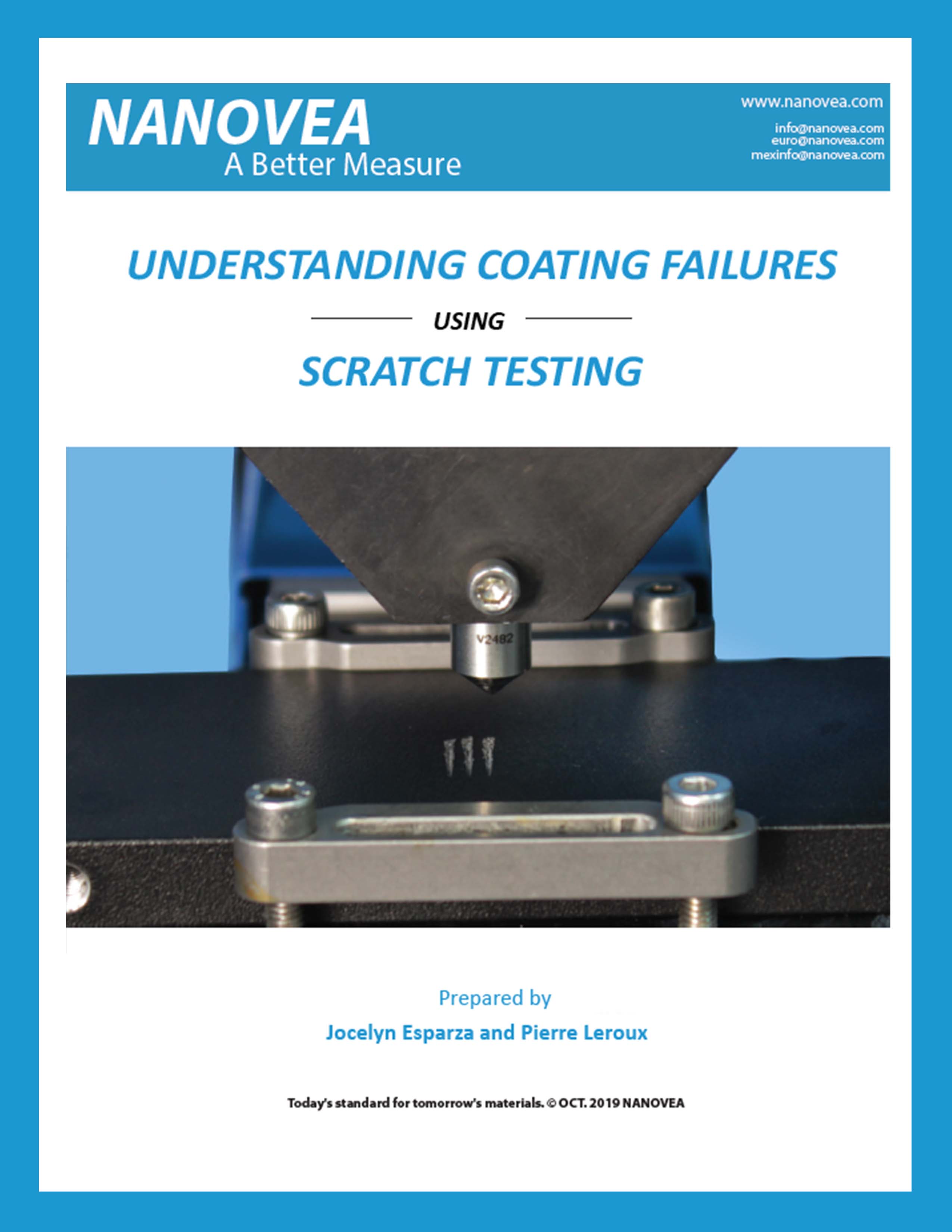
Understanding Coating Failures using Scratch Testing
Introduction:
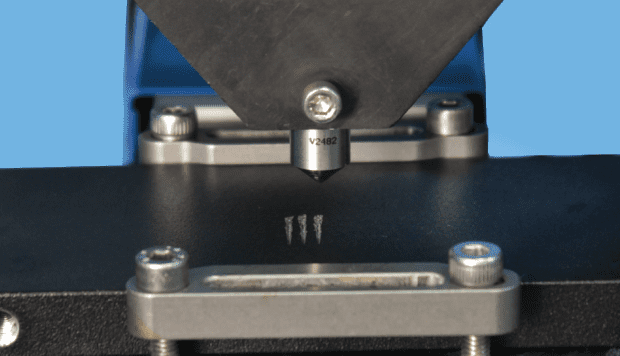
Surface engineering of materials plays a significant role in a variety of functional applications, ranging from decorative appearance to protecting the substrates from wear, corrosion and other forms of attacks. An important and overriding factor that determines the quality and service lifetime of the coatings is their cohesive and adhesive strength.

High Speed Scanning w/ Non-contact Profilometry
Introduction:
Quick and easy set-up surface measurements save time, effort and are essential for quality control, research and development and production facilities. The Nanovea Non-Contact Profilometer is capable of performing both 3D & 2D surface scans to measure nano to macro scale features on any surface, providing broad range usability.

Continuous Stribeck Curve Measurement using Pin-on-Disk Tribometer
Introduction:
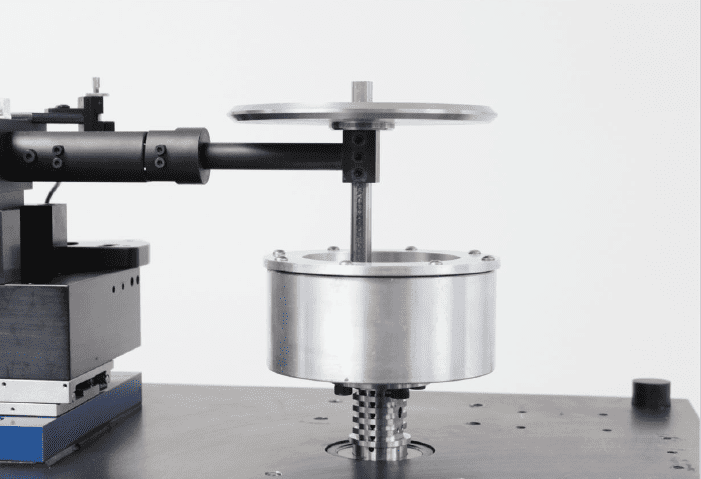
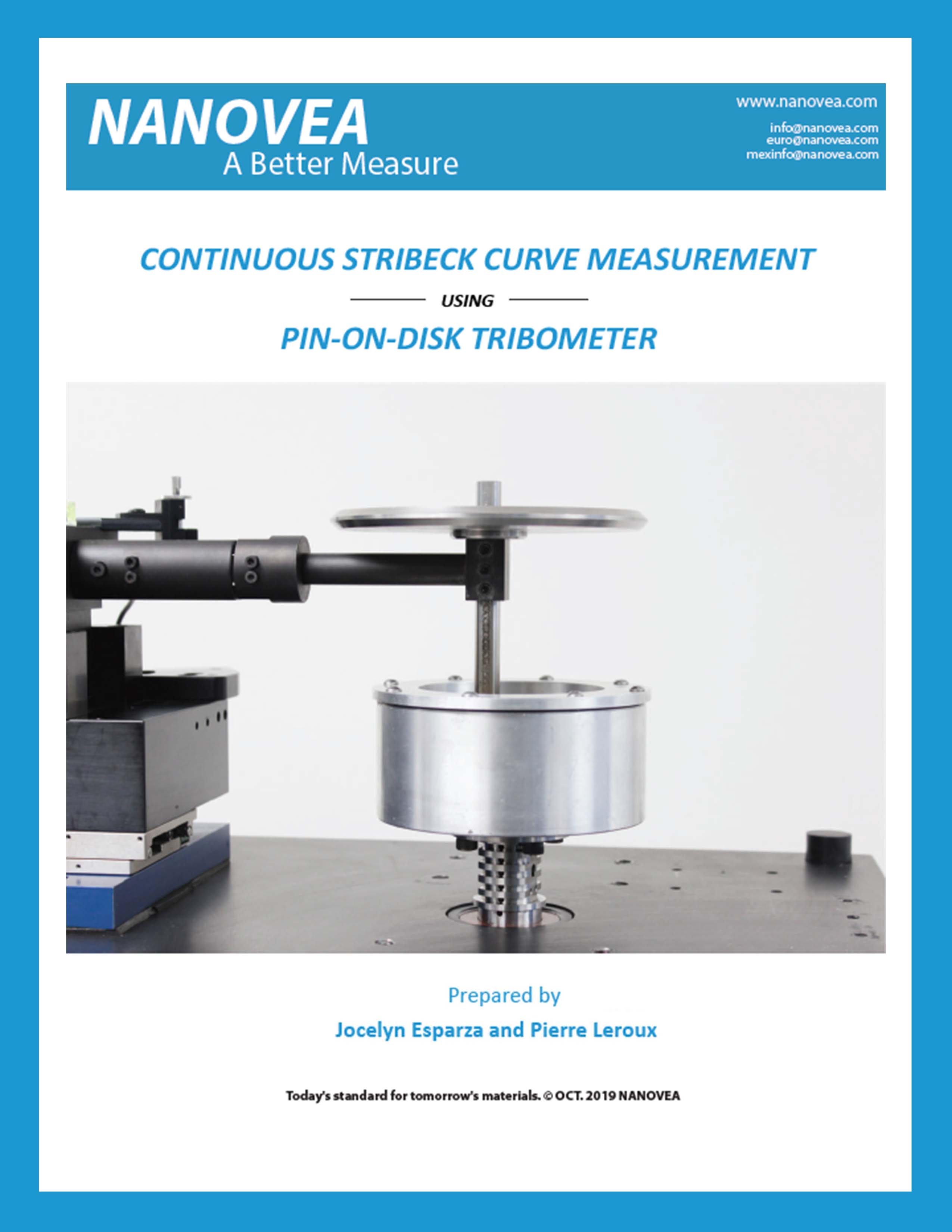
When lubrication is applied to reduce the wear/friction of moving surfaces, the lubrication contact at the interface can shift from several regimes such as Boundary, Mixed and Hydrodynamic Lubrication. The thickness of the fluid film plays a major role in this process, mainly determined by the fluid viscosity, the load applied at the interface and the relative speed between the two surfaces. How the lubrication regimes react to friction is shown in what is called a Stribeck [1-4] curve.
In this study we demonstrate for the first time the ability to measure a continuous Stribeck Curve. Using the Nanovea Tribometer advanced step-less speed control, from 15000 to 0.01 rpm, within 10 minutes the software directly provides a complete Stribeck Curve. The simple initial setup only requires users to select the Exponential Ramp Mode and enter initial and final speeds, rather than having to perform multiple tests or program a stepwise procedure at different speeds requiring data stitching for the conventional Stribeck curve measurements. This advancement provides precise data throughout lubricant regime evaluation and substantially reduces time and cost. The test shows a great potential to be used in different industrial engineering applications.

Surface Roughness and Features of a Solar Cell
Importance of Solar Panel Testing
Maximizing a solar cell’s energy absorption is key for the technology’s survival as a renewable resource. The multiple layers of coating and glass protection allow for the absorption, transmittance, and reflection of light that is necessary for the photovoltaic cells to function. Given that most consumer solar cells operate at 15-18% efficiency, optimizing their energy output is an ongoing battle.
Studies have shown that surface roughness plays a pivotal role in the reflectance of light. The initial layer of glass must be as smooth as possible to mitigate the reflectance of light, but the subsequent layers do not follow this guideline. A degree of roughness is necessary at each coatings interface to another to increase the possibility of light scattering within their respective depletion zones and increase the absorption of light within the cell1. Optimizing the surface roughness in these regions allows the solar cell to operate to the best of its ability and with the Nanovea HS2000 High Speed Sensor, measuring surface roughness can be done quickly and accurately.
Measurement Objective
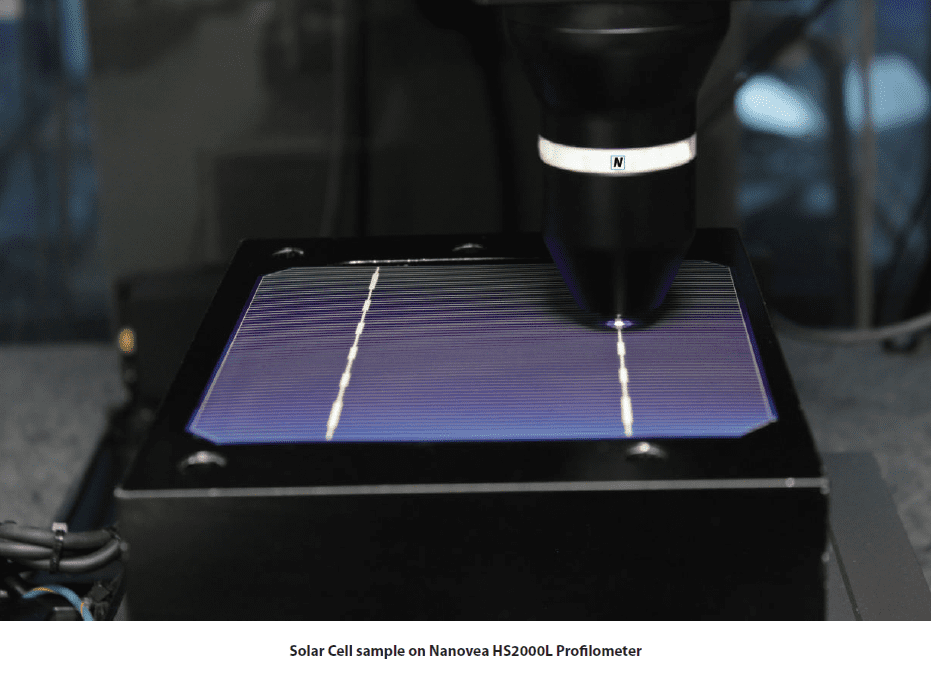
In this study we will display the capabilities of the Nanovea Profilometer HS2000 with High Speed Sensor by measuring the surface roughness and geometric features of a photovoltaic cell. For this demonstration a monocrystalline solar cell with no glass protection will be measured but the methodology can be used for various other applications.
Test Procedure and Procedures
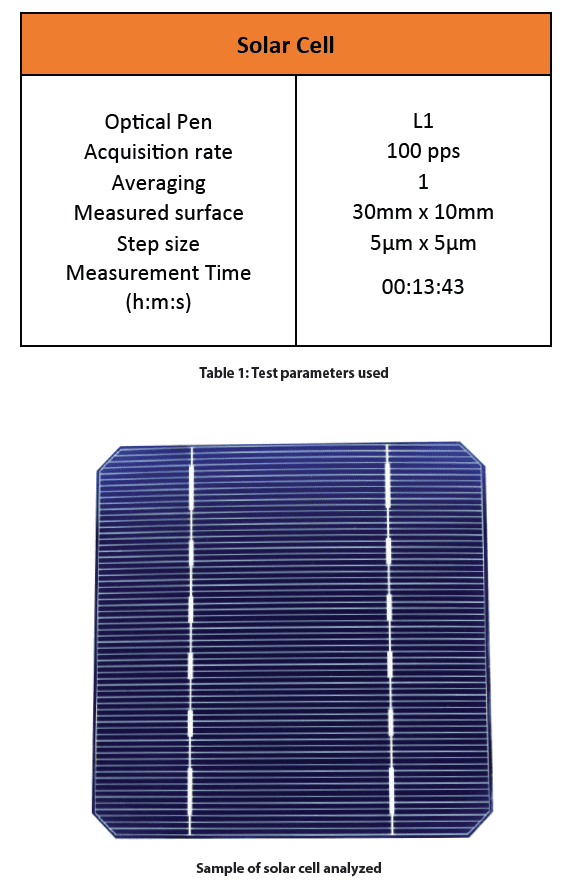
The following test parameters were used to measure the surface of the solar cell.
Results and Discussion
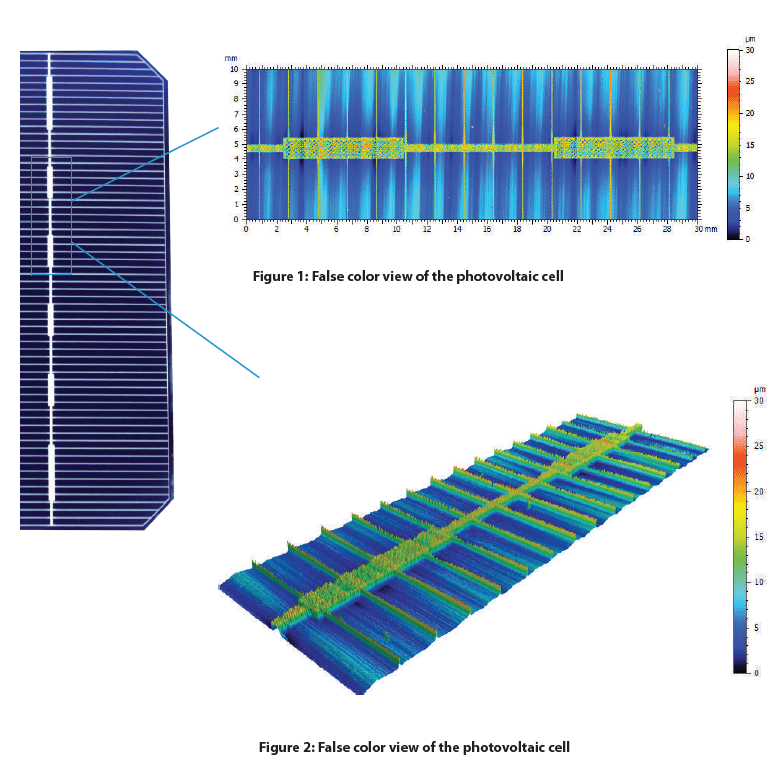
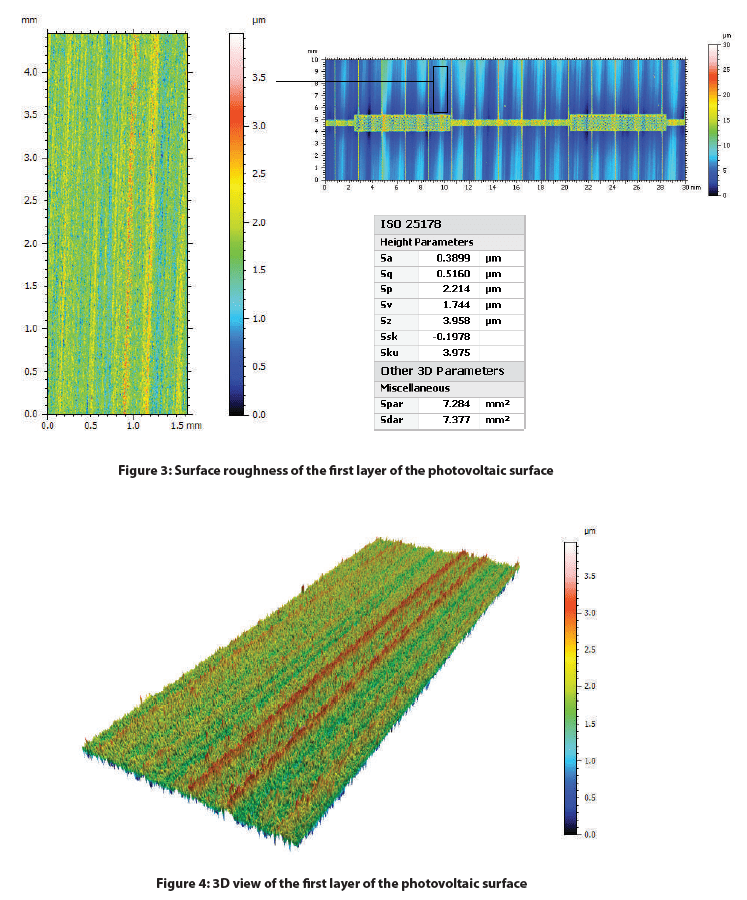
Depicted below is the 2D false-color view of the solar cell and an area extraction of the surface with its respective height parameters. A Gaussian filter was applied to both surfaces and a more aggressive index was used to flatten the extracted area. This excludes form (or waviness) larger than the cut-off index, leaving behind features that represent the solar cell’s roughness.
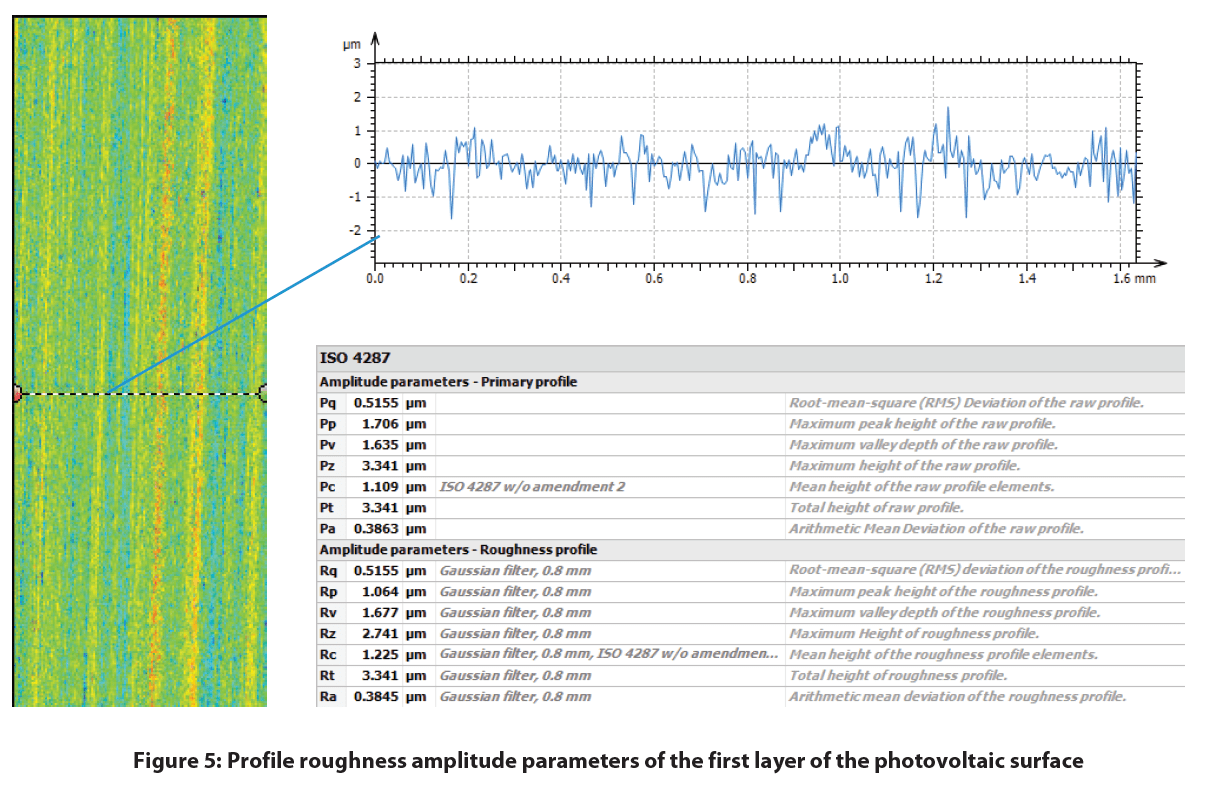
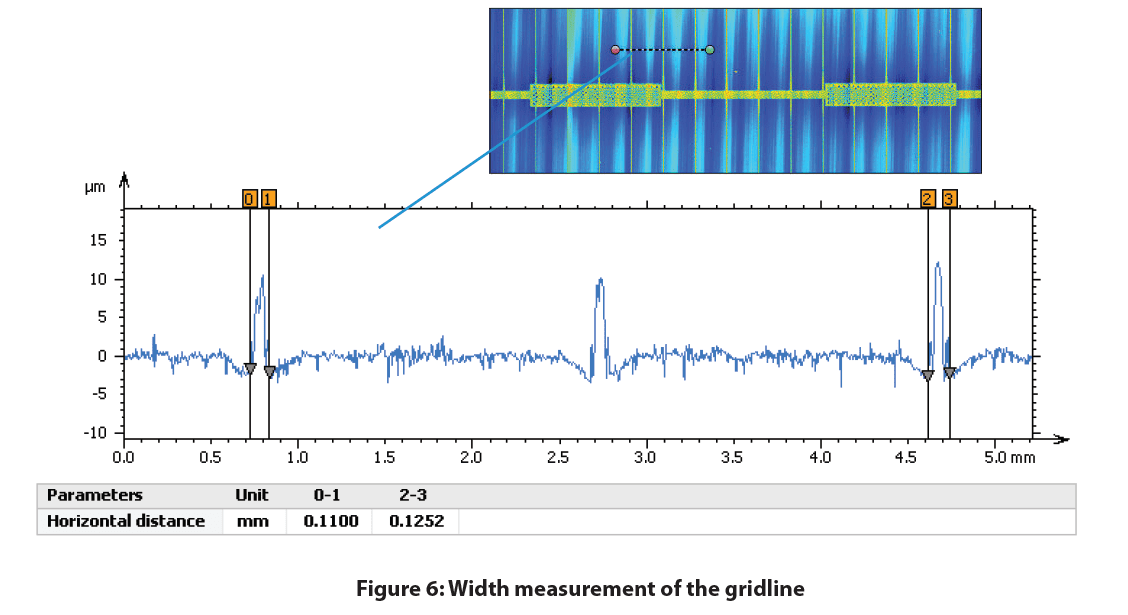
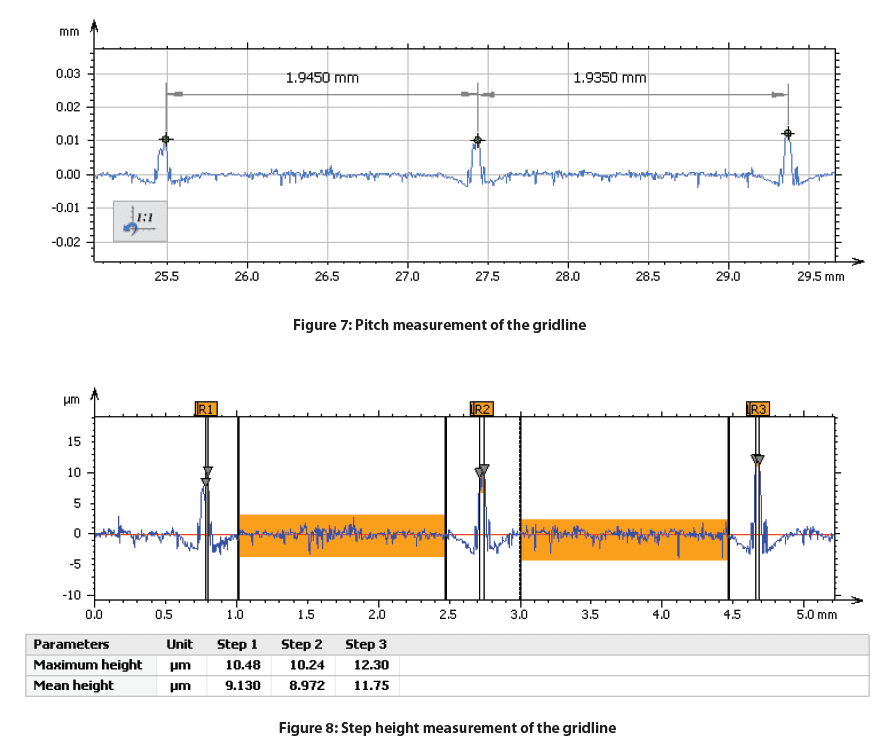
A profile was taken perpendicular to the orientation of the gridlines to measure their geometric characteristics which is shown below. The gridline width, step height, and pitch can be measured for any specific location on the solar cell.
Conclusion

In this study we were able to display the Nanovea HS2000 Line Sensor’s ability to measure a monocrystalline photovoltaic cell’s surface roughness and features. With the ability to automate accurate measurements of multiple samples and set pass fail limits, the Nanovea HS2000 Line Sensor is a perfect choice for quality control inspections.
Reference
1 Scholtz, Lubomir. Ladanyi, Libor. Mullerova, Jarmila. “Influence of Surface Roughness on Optical Characteristics of Multilayer Solar Cells “ Advances in Electrical and Electronic Engineering, vol. 12, no. 6, 2014, pp. 631-638.