EE.UU./GLOBAL: +1-949-461-9292
EUROPA: +39-011-3052-794
CONTACTO
Humidity-controlled nanoindentation for polymer materials used in condensation-prone environments

Humidity-Controlled Nanoindentation of Polymer Materials

Application Note | Environmental Nanoindentation

Humidity-Controlled Nanoindentation of Polymer Films

Measuring Hardness and Creep Under Controlled Relative Humidity

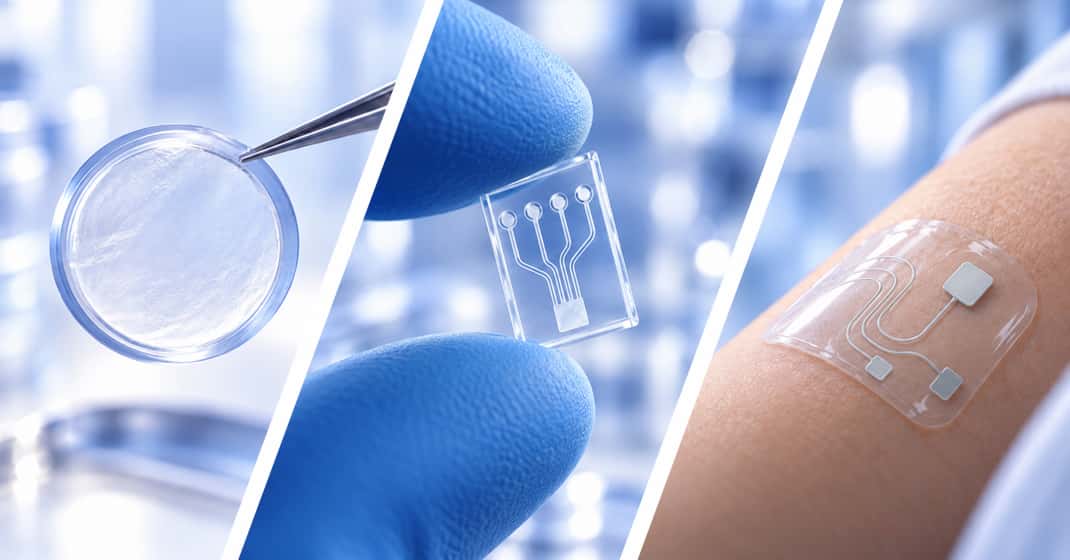
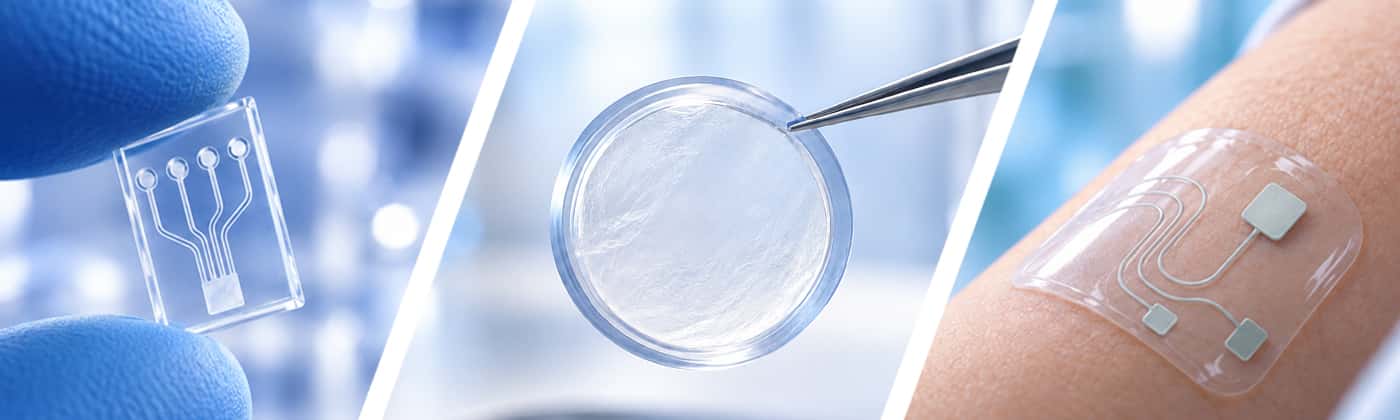
Transparent polymer application exposed to humidity and condensation, illustrating moisture-sensitive material performance

Research & Experimental Testing

Duanjie Li, PhD & Andrea Novitsky

Visual Design & Editorial

Andrew Shore

Introducción

Polymers are viscoelastic materials, meaning their mechanical response can change with time and environmental conditions. Under sustained loading, they can gradually deform through creep, with the rate of deformation influenced by factors such as material properties, exposure time, temperature, and humidity.

As environmental humidity changes, the mechanical behavior of polymer materials can change as well. Measuring hardness and creep under controlled relative humidity provides a quantitative way to evaluate how moisture exposure affects polymer performance.

Why Humidity-Controlled Nanoindentation Matters

The mechanical properties of polymers can change as environmental humidity increases. As moisture is absorbed, polymers may exhibit mechano-sorptive effects, including accelerated creep and changes in deformation behavior under load.

Reliable characterization therefore requires more than measuring the material at a single ambient condition. Humidity-controlled nanoindentation enables hardness and creep to be measured while both the sample and indenter are maintained in a uniform controlled environment.

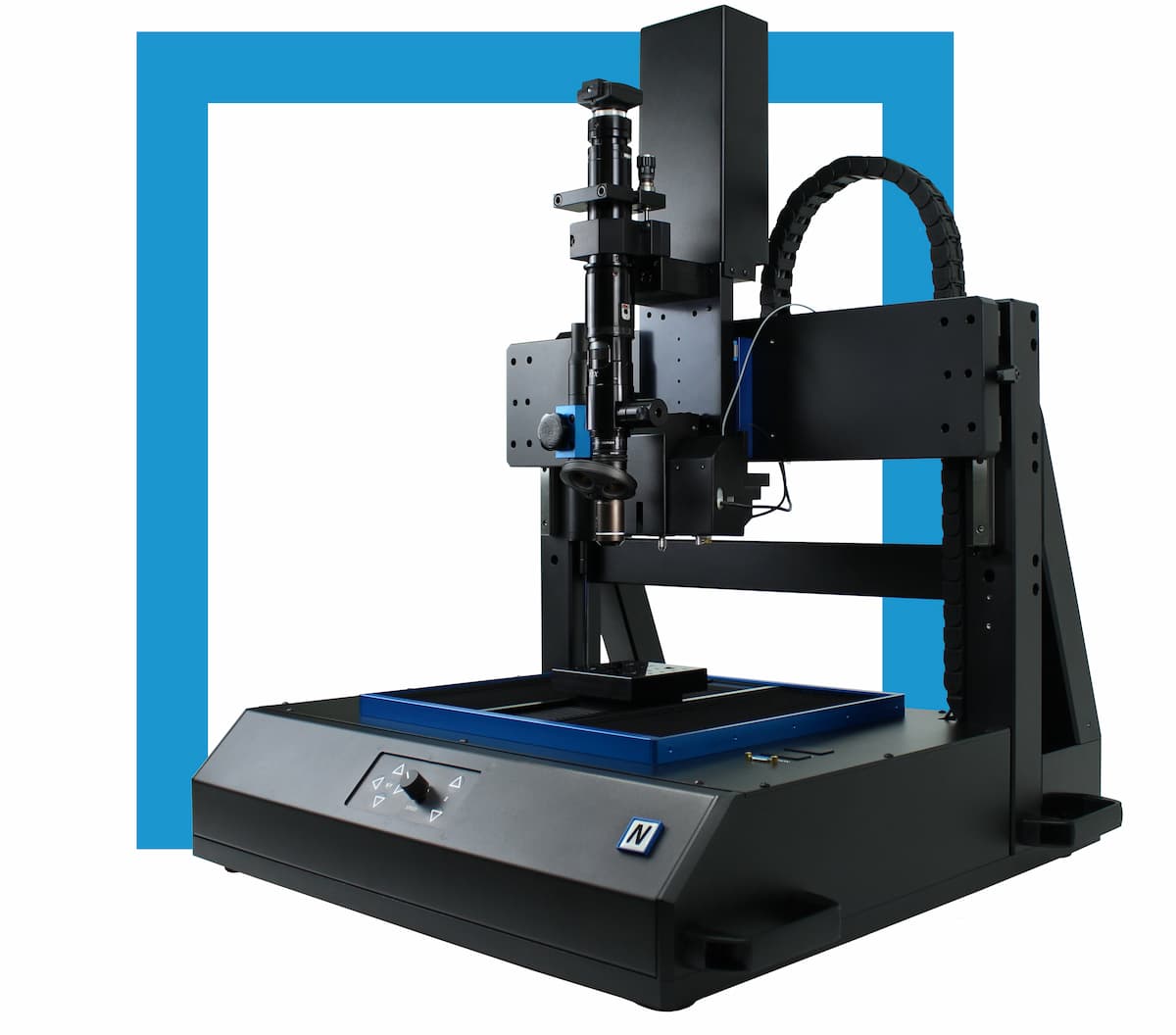
The NANOVEA Mechanical Tester uses an isolated humidity enclosure around the indentation tip and sample surface to maintain consistent relative humidity during testing. This helps minimize measurement drift caused by humidity gradients and provides a quantitative way to evaluate moisture-dependent mechanical behavior.

Objetivo de medición

The objective of this study was to evaluate how controlled relative humidity influences the hardness and creep behavior of a polymer film using nanoindentación.

The polymer film was tested in an isolated environment with uniform humidity surrounding both the sample and indenter, allowing its mechanical response to be measured under controlled moisture conditions.

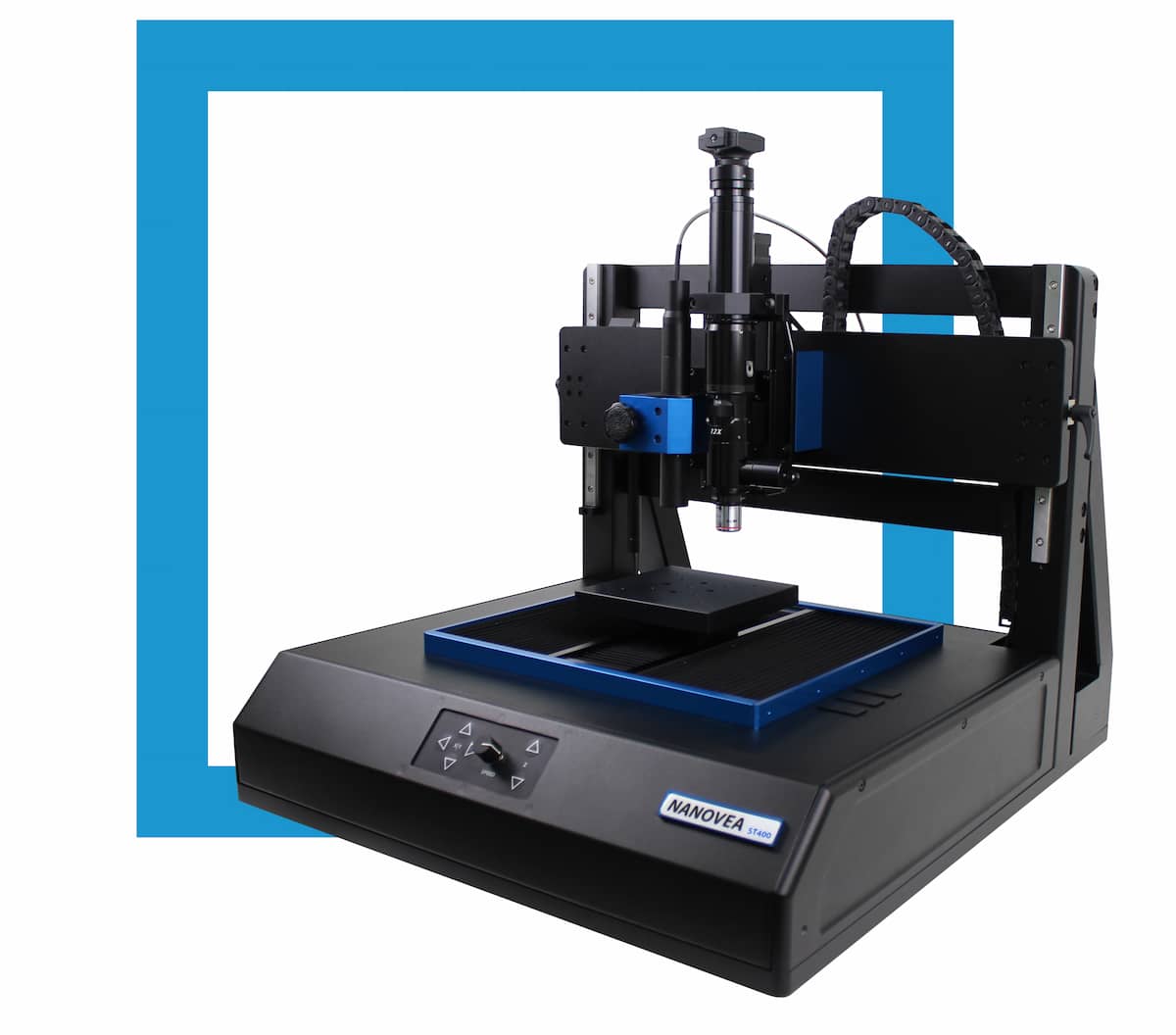
NANOVEA PB1000 Advanced

Comprobador mecánico

Condiciones de prueba

A polymer film was tested by nanoindentation at 25, 35, 45, 55, 65, and 75% relative humidity. Both the sample and indenter were maintained inside an isolated enclosure with uniform humidity controlled throughout the test.

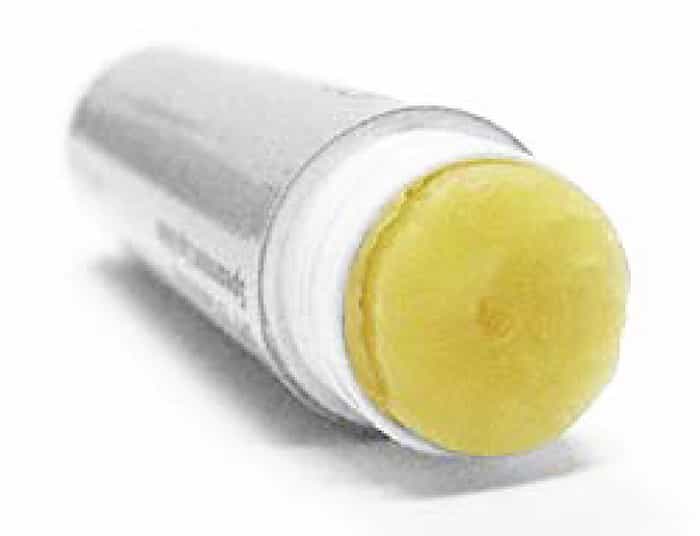
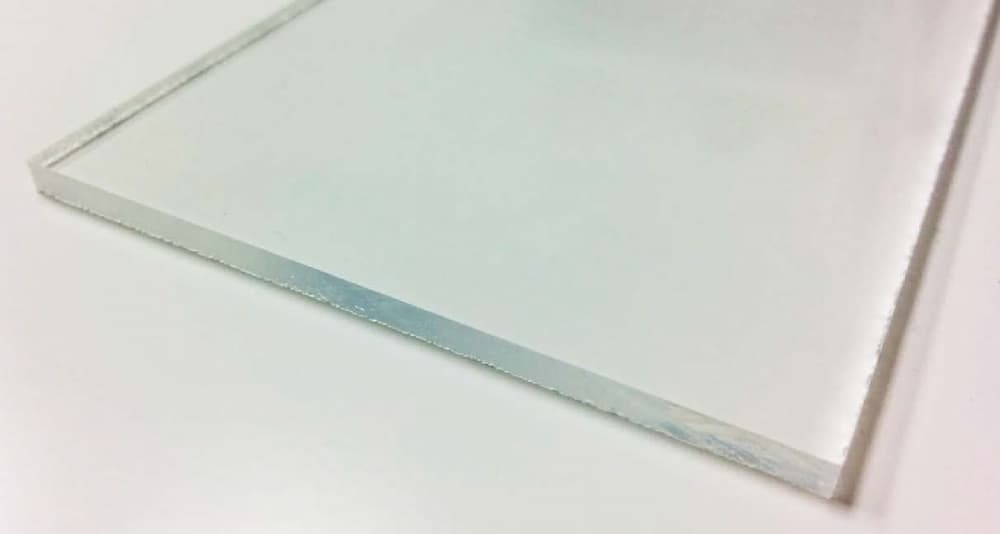
Polymer film sample used for humidity-controlled nanoindentation testing

Polymer film sample used for humidity-controlled nanoindentation testing.

A Berkovich diamond indenter was used with a maximum load of 10 mN. The load was applied and removed at 20 mN/min, and creep was measured from the change in indentation depth during a 10 s hold at maximum load.

Hardness was calculated using ASTM E2546 and the Oliver & Pharr method. The test conditions are summarized below.

Humidity (%)25, 35, 45, 55, 65, 75
Maximum load10 mN
Loading rate20 mN/min
Unloading rate20 mN/min
Creep time10 s
Computation methodASTM E2546 & Oliver & Pharr
Indenter typeBerkovich diamond

Resultados y debate

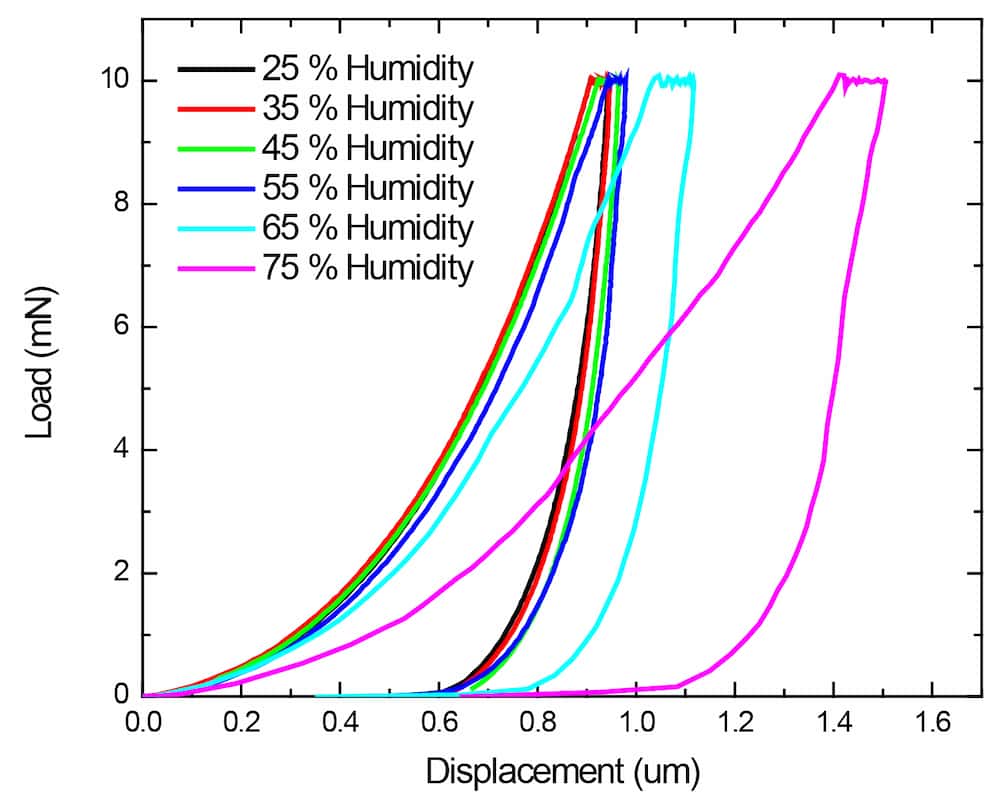
The load-displacement curves show a progressive increase in penetration depth as relative humidity rises, indicating that the polymer film becomes more susceptible to deformation under the same applied load.

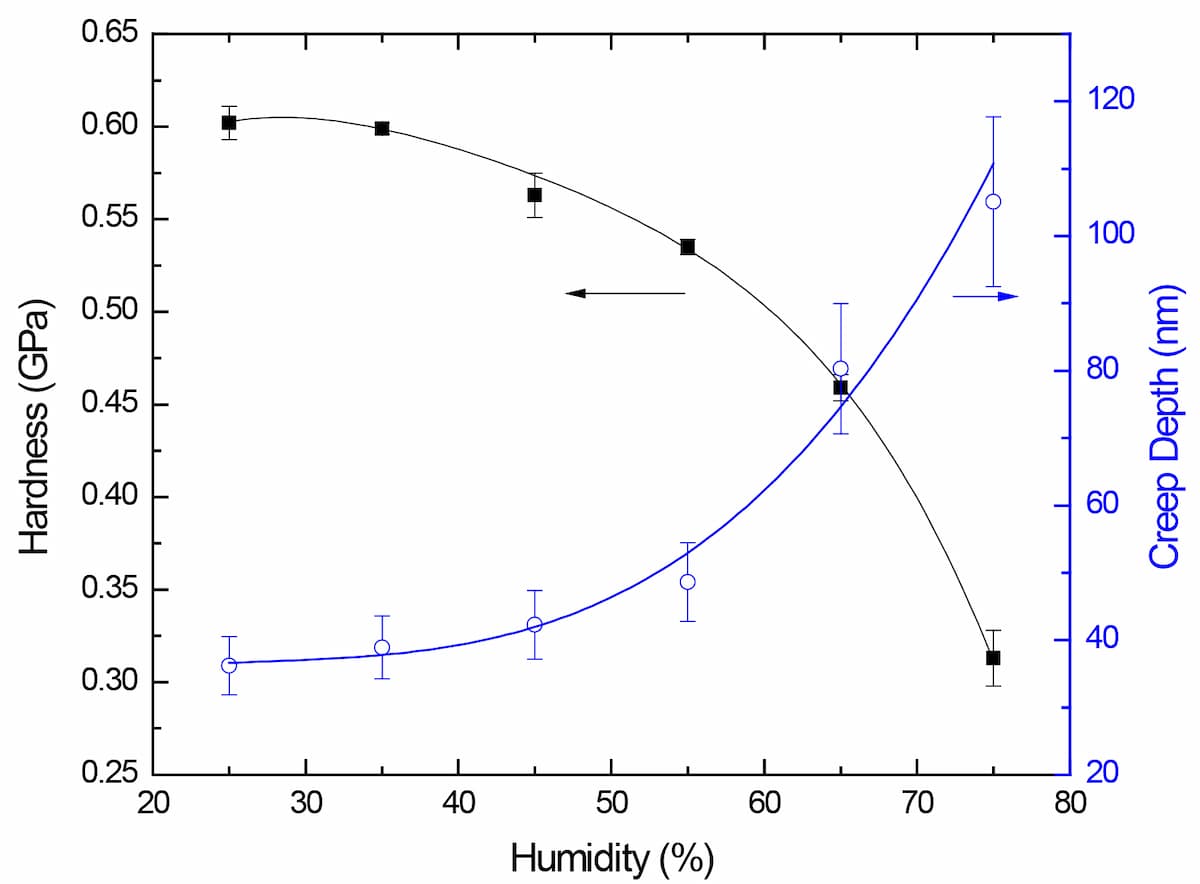
Between 25% and 55% relative humidity, hardness decreased gradually from approximately 0.60 to 0.54 GPa, while creep depth increased from 36 to 48 nm. At higher humidity, the changes became substantially more pronounced. Hardness decreased to 0.46 GPa at 65% RH and 0.31 GPa at 75% RH, while creep depth increased to 80 nm and 105 nm, respectively.

The original study attributes this stronger response at elevated humidity to moisture absorption and swelling of the polymer film. It identifies the transition between 55% and 65% RH as the range where swelling becomes significant, corresponding with the sharp increase in creep observed during indentation.

These results demonstrate why humidity can be an important test variable when evaluating polymers intended for moisture-rich environments. Measuring both hardness and creep across controlled humidity levels provides a more complete view of how the material responds mechanically as environmental conditions change.

Load-displacement curves from humidity-controlled nanoindentation of a polymer film at 25% to 75% relative humidity

Nanoindentation load-displacement curves at relative humidity levels from 25% to 75%.

Graph showing polymer hardness decreasing and creep depth increasing from 25% to 75% relative humidity during nanoindentation

Polymer hardness decreases while creep depth increases as relative humidity rises from 25% to 75%.

Conclusión

Humidity-controlled nanoindentation revealed a clear change in the mechanical response of the polymer film as relative humidity increased. Across the tested range from 25% to 75% RH, hardness progressively decreased while creep increased.

At 65% RH and above, the polymer exhibited substantially greater creep deformation during the hold at maximum load, corresponding with the sharper reduction in hardness observed at higher humidity.

By maintaining both the sample and indenter within an isolated environment of uniform relative humidity, the NANOVEA Mechanical Tester enables hardness and creep to be measured while minimizing the influence of humidity-gradient drift. This provides a quantitative method for evaluating the moisture-dependent mechanical behavior of polymer materials under controlled environmental conditions.

Frequently Asked Questions About Humidity-Controlled Nanoindentation

Why does humidity affect polymer hardness and creep?

Polymers can absorb moisture from the surrounding environment, which can alter their mechanical response. Depending on the material, increased moisture can reduce resistance to deformation and increase time-dependent creep. In this study, increasing relative humidity corresponded with decreasing hardness and increasing creep depth.

Can nanoindentation be performed under controlled humidity?

Yes. Nanoindentation can be performed inside a controlled environmental enclosure so that both the sample and indenter are exposed to a defined relative humidity during testing. This makes it possible to compare mechanical properties under different moisture conditions rather than relying solely on uncontrolled ambient laboratory conditions.

Why test polymers at controlled relative humidity instead of ambient conditions?

Ambient humidity can vary and may not represent the conditions a polymer experiences during storage, processing, or use. Controlling relative humidity allows the environmental condition to become a defined test variable, making it possible to determine whether changes in hardness, creep, or deformation behavior are associated with moisture exposure.

What mechanical properties can be measured under controlled humidity?

Depending on the test method, nanoindentation can evaluate properties including hardness, elastic modulus, and time-dependent creep behavior under controlled environmental conditions. In this study, hardness and creep were measured as relative humidity changed.

What materials can benefit from humidity-controlled nanoindentation?

Humidity-controlled testing can be particularly useful for polymers, thin films, coatings, and other materials whose mechanical behavior may be influenced by moisture absorption. The appropriate humidity range and indentation conditions depend on the material and application.

How can humidity-controlled nanoindentation support material development?

Testing across multiple relative humidity levels can reveal whether a material maintains its mechanical properties as environmental moisture changes. This can support material comparison, formulation development, coating evaluation, failure investigation, and the assessment of materials intended for humidity-sensitive applications.

Can NANOVEA perform humidity-controlled nanoindentation as a laboratory service?

Yes. NANOVEA can perform nanoindentation testing under controlled environmental conditions to evaluate properties such as hardness and creep as humidity changes. Test parameters can be selected according to the material, expected service conditions, and the specific engineering question being investigated.