USA/GLOBALNE: +1-949-461-9292
EUROPA: +39-011-3052-794
KONTAKT
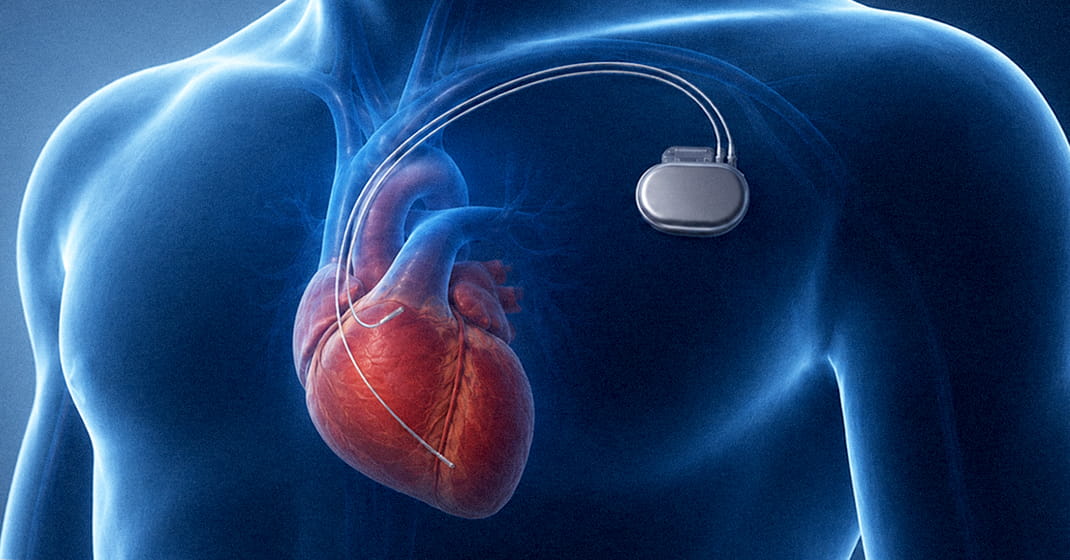
Pacemaker and endocardial pacing leads shown in a translucent medical illustration for pacing lead insulation wear testing

Pacing Lead Insulation Wear Testing in Hanks’ Solution

Application Note | Medical Device Tribology

Nano-Friction and Wear Testing of Pacing Lead Insulation in Hanks’ Solution

Tribological analysis of silicone and polyether-polyurethane endocardial lead materials

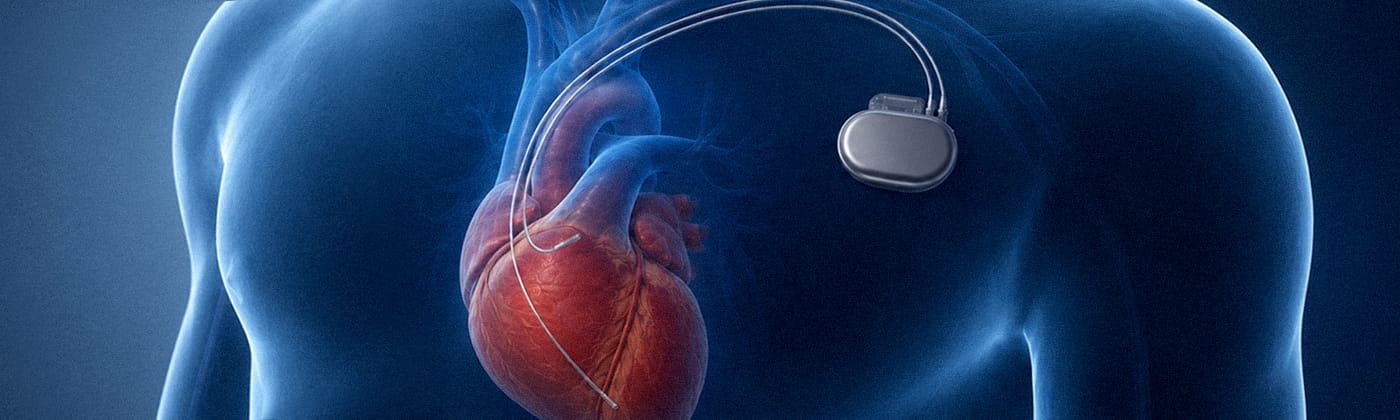
Medical illustration of a pacemaker with two endocardial pacing leads routed into the heart for pacing lead insulation wear testing context

Research & Experimental Testing

Duanjie Li, PhD

Visual Design & Editorial

Andrew Shore

Wstęp

A pacemaker is a medical device used to regulate heart rhythm and maintain an adequate heart rate. It is typically implanted in the chest or abdomen and sends electrical impulses to the heart muscle through endocardial pacing leads.

As pacemakers remain a widely used treatment for cardiac rhythm disorders, the quality and service life of pacing leads are critical to long-term device performance. Lead failures can create serious risks for patients and may require surgical replacement, making pacing lead insulation wear testing an important part of material evaluation for implantable cardiac devices.1–5
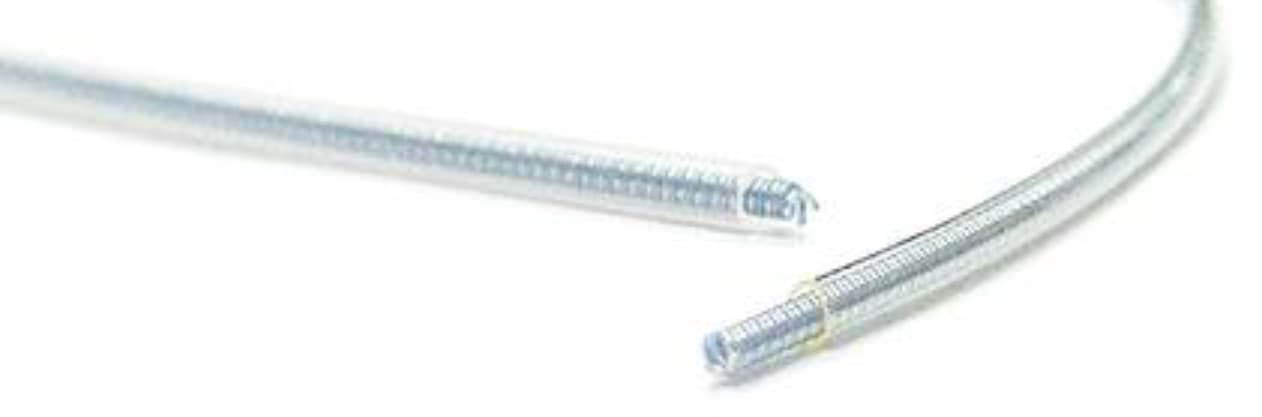
Endocardial pacing leads with insulated lead bodies used in implantable cardiac devices

Endocardial pacing leads transmit electrical impulses from a pacemaker to the heart while operating in a dynamic body-fluid environment.

Why Friction and Wear Matter for Endocardial Lead Insulation

The outer insulation material of an endocardial lead requires several key properties, including biological inertness, high flexibility, fracture toughness, and long service life. Low friction can reduce interaction between the lead and the blood vessel, helping minimize vessel irritation during implantation and movement.

Wear resistance is also critical. Endocardial leads experience continuous movement from the heart and surrounding body structures, while operating in a body-fluid environment that can influence friction, wear, and material response.

Because of this complex environment, endocardial lead insulation should be evaluated using controlled tribological methods that simulate relevant contact conditions. Testing in Hanks’ solution allows the friction and wear behavior of lead insulation materials to be compared under a simulated body-fluid condition rather than relying only on dry testing.
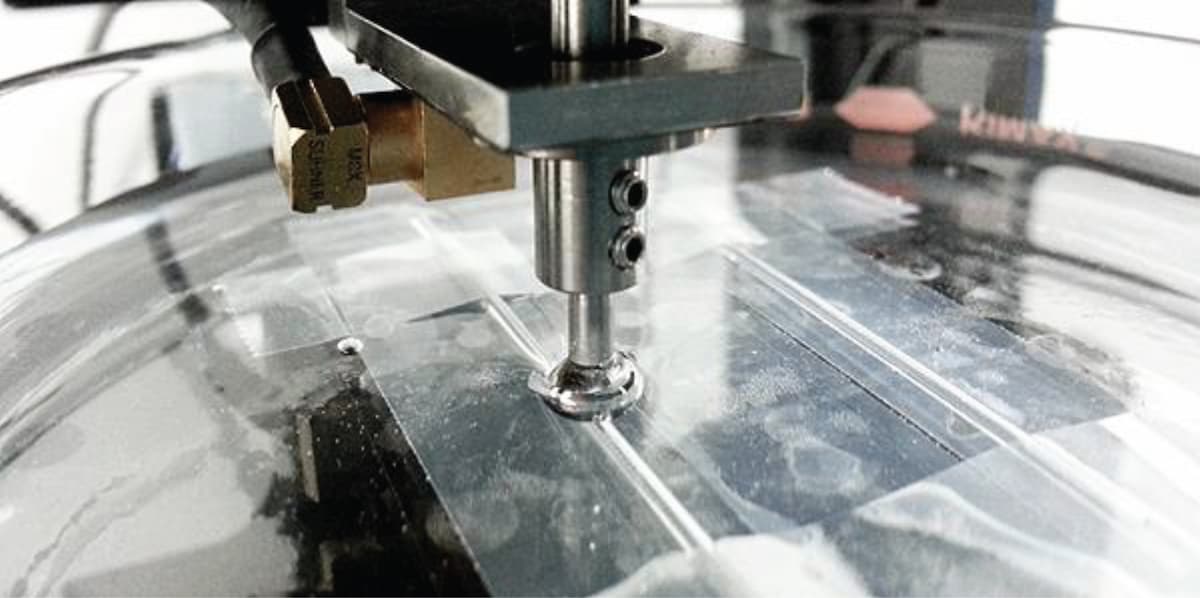
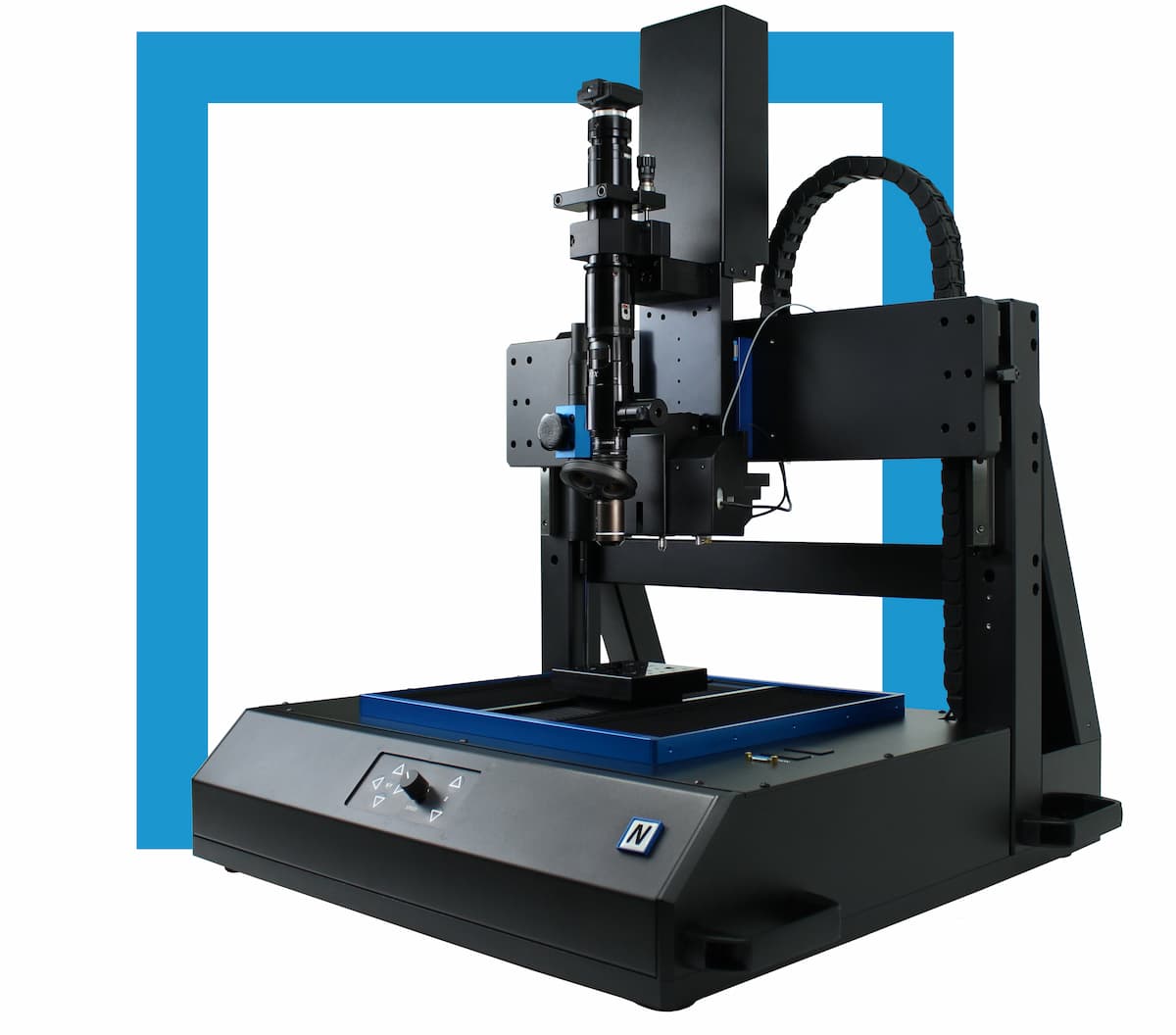
Nano-friction test setup for measuring pacing lead insulation materials in Hanks’ solution

Nano-friction test setup used to evaluate endocardial pacing lead insulation materials under low-load contact conditions.
Cel pomiaru

This study compares the nano-friction and wear behavior of endocardial pacing lead insulation materials in Hanks’ solution. Silicone and polyether-polyurethane lead materials were evaluated to determine how each material responds under simulated body-fluid conditions.

Low-load nano-friction testing was performed using the Nano Module of the Tester mechaniczny NANOVEA to measure coefficient of friction at controlled contact force. Reciprocating wear testing was then performed using a NANOVEA Tribometer to compare wear resistance under linear sliding contact.

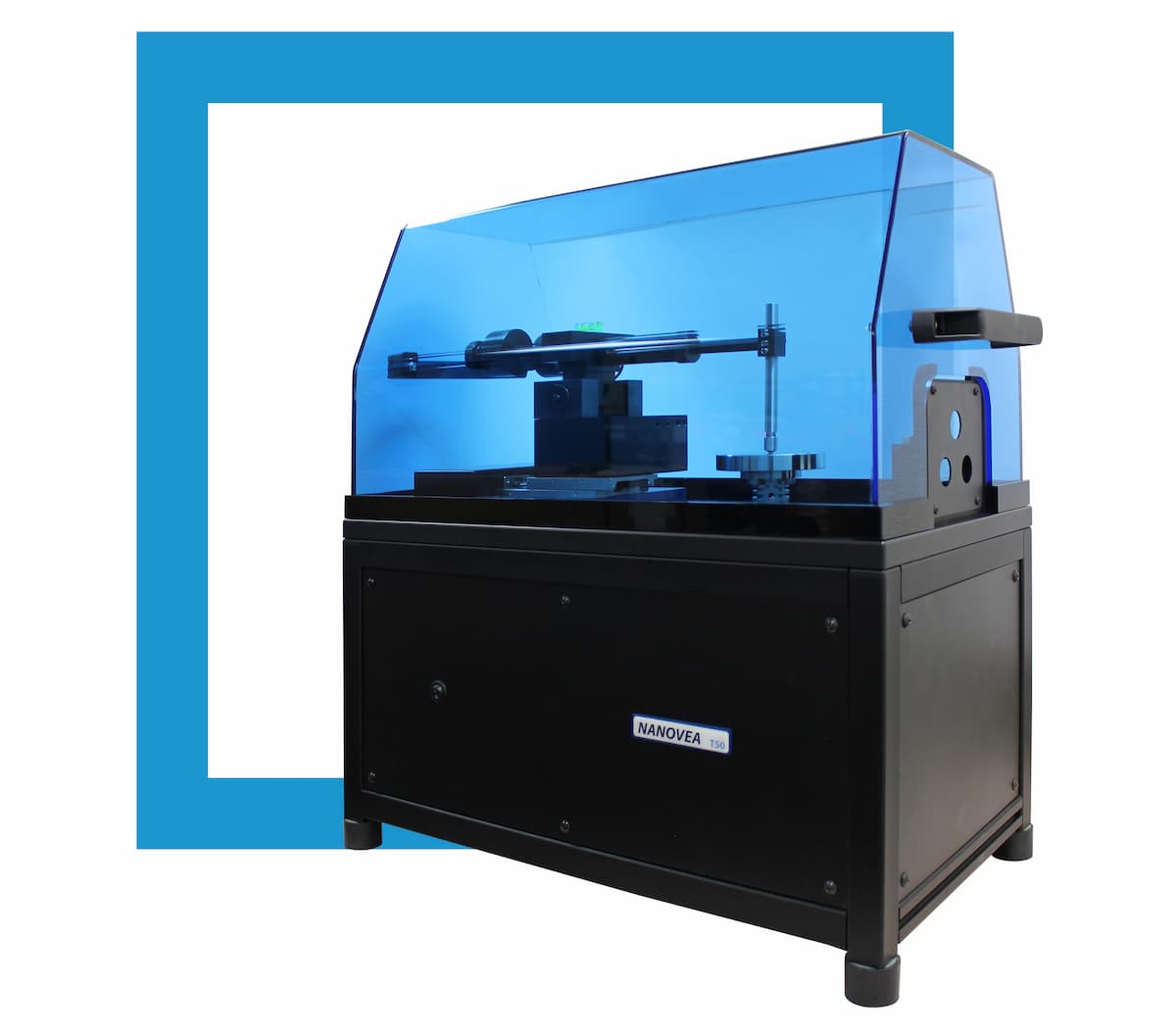
NANOVEA T50 Compact
Tribometr z wolnym ciężarem

NANOVEA PB1000 Duża platforma Tester mechaniczny

Measurement Principle

Nano-Friction Measurement Principle

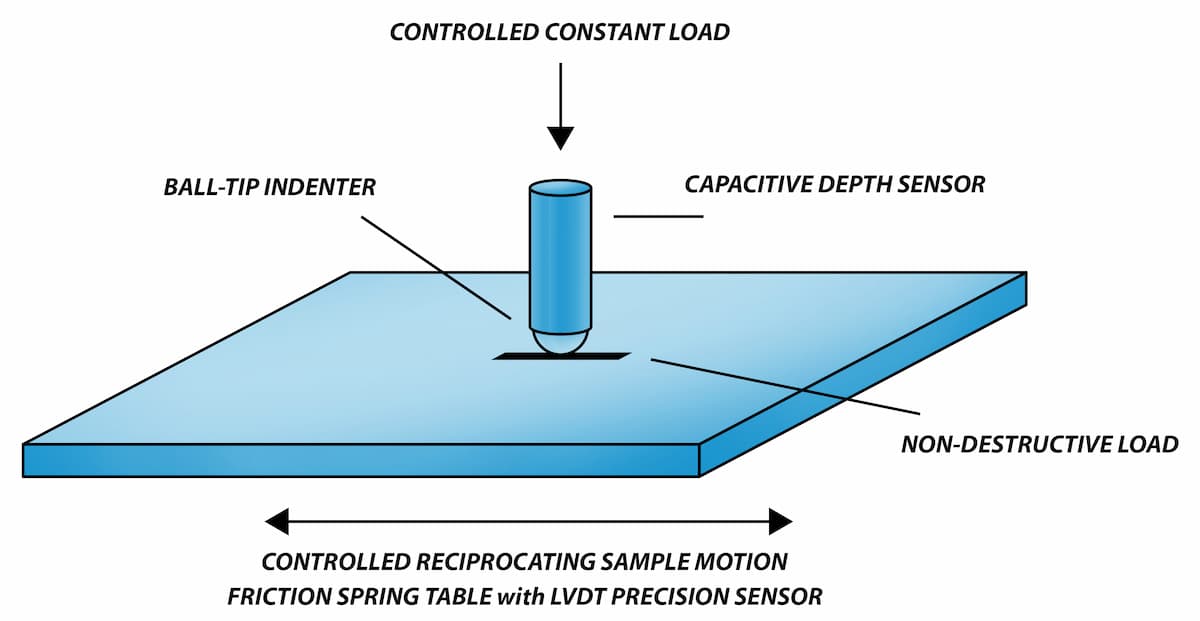
Nano-friction testing measures the coefficient of friction (COF) between the test surface and a controlled counter material under very low applied load. In this study, the indenter made contact with the pacing lead insulation surface while the Nano Module maintained a constant load throughout the measurement.

The Nano Module uses a fast piezoelectric system and load cell to adjust the ball position and keep the applied load stable during sliding. The sample is moved at a controlled speed while lateral force is measured and plotted against displacement.

A stainless steel ball with a 6 mm diameter is commonly used for this type of measurement, although other counter materials, shapes, and sizes can be selected to simulate different contact conditions. This allows pacing lead insulation materials to be evaluated under controlled low-load friction conditions relevant to biomedical device applications.

Schematic of the nano-friction measurement principle showing a ball-tip indenter under controlled constant load, a capacitive depth sensor, non-destructive load, and reciprocating sample motion on a friction spring table

Nano-friction measurement schematic showing controlled low-load sliding contact and lateral force measurement during reciprocating motion.

Reciprocating Wear Principle

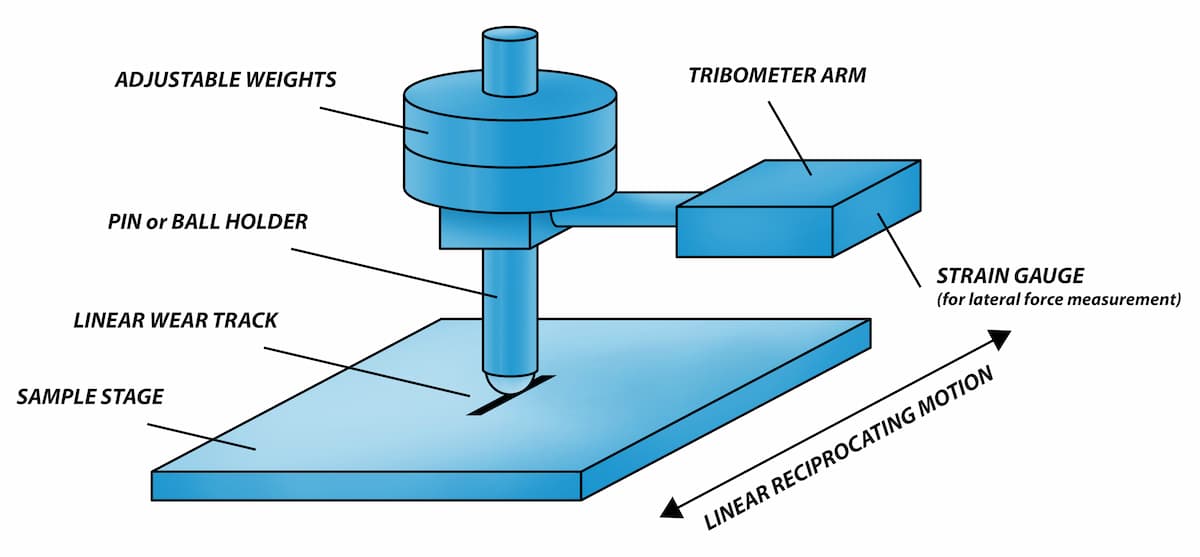
Reciprocating wear testing evaluates material response under repeated linear sliding contact. A flat or spherical counter material is loaded against the test sample with a precisely known force, while the sample moves back and forth in a controlled reciprocating motion.

The counter material, such as a pin or ball, is mounted on a stiff lever that functions as a low-friction force transducer. As the sample moves, frictional forces between the counter material and the sample are measured using a strain gauge sensor on the tribometer arm.

After the test, the resulting wear track can be examined to compare material damage, wear scar geometry, and surface response. This method allows friction and wear behavior to be studied under controlled conditions, including variations in time, contact pressure, sliding speed, temperature, humidity, and lubrication environment.

Schematic of the reciprocating wear principle showing adjustable weights, tribometer arm, pin or ball holder, strain gauge, sample stage, linear wear track, and linear reciprocating motion

Linear reciprocating wear schematic showing a pin or ball counterface sliding across the sample to generate a wear track under controlled load.

Procedura badania

The coefficient of friction (COF) of the pacing lead materials was measured against a stainless steel 440 ball with a 6 mm diameter. Testing was performed using the Nano Module of the Nanovea Mechanical Tester.

The sample was immersed in Hanks’ solution to simulate a body-fluid environment. A low applied load of 50 mN was maintained throughout the test, while the ball slid against the lead surface at a constant speed of 20 mm/min over a total sliding distance of 10 mm.

Wear resistance was evaluated using a Nanovea Tribometer with the Linear Reciprocating Wear Module. During the wear test, a stainless steel 303 block measuring 10 × 10 mm² was used as the counter material, and the coefficient of friction was recorded in situ at 0.1 s intervals.

After testing, the resulting wear tracks were examined under an optical microscope to compare surface damage on the silicone and polyether-polyurethane lead materials. Stainless steel was used as the counter material in this study; however, custom fixtures and alternative counter materials can be used to simulate specific application conditions.

Parameter Value
Sample Leads made of silicone or polyether-polyurethane (PP)
Normal force 1 N
Prędkość 200 cycles/min
Duration of test 5 h
Środowisko Hanks’ solution

Wear test parameters used to evaluate silicone and polyether-polyurethane pacing lead materials in Hanks’ solution.

Wyniki i dyskusja

Nano-Friction Test

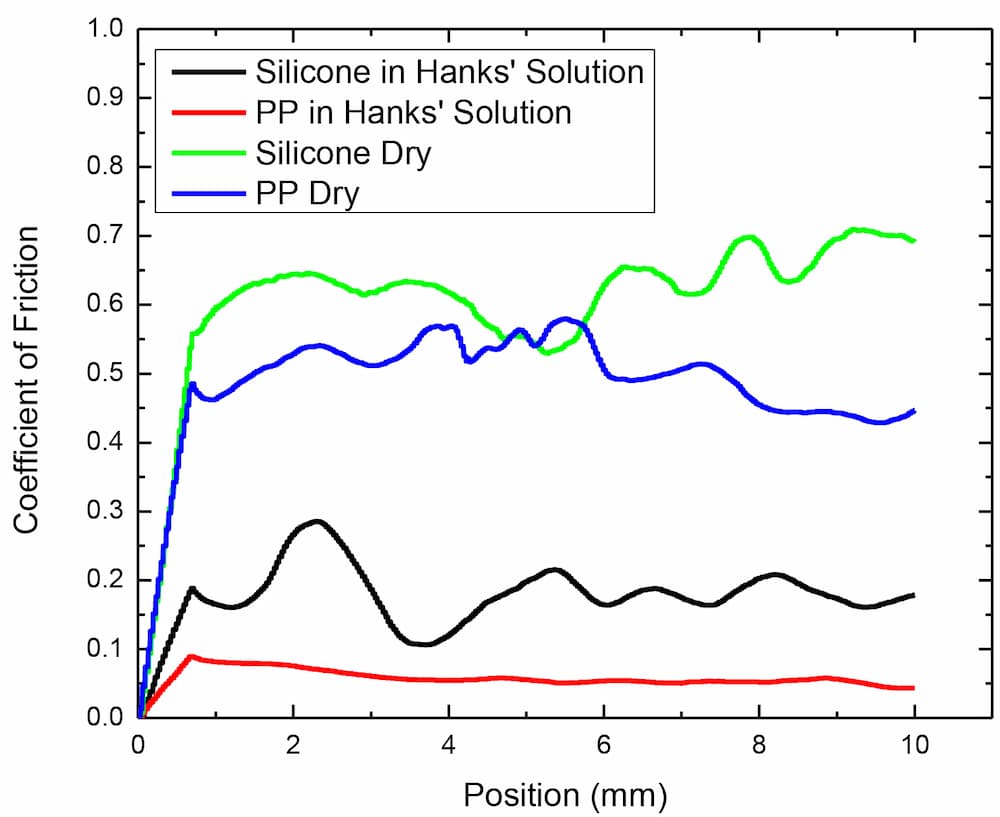
The nano-friction behavior of the silicone and polyether-polyurethane (PP) pacing lead materials was first evaluated using the Nano Module of the Nanovea Mechanical Tester. The coefficient of friction was measured in both dry conditions and Hanks’ solution to compare material response under ambient and simulated body-fluid environments.

Both materials showed significantly lower coefficient of friction in Hanks’ solution than under dry conditions. In Hanks’ solution, the silicone lead exhibited a COF of approximately 0.15, while the polyether-polyurethane lead exhibited a lower COF of approximately 0.05. Under dry conditions, the values were substantially higher, at approximately 0.6 for silicone and 0.5 for polyether-polyurethane.

These results demonstrate the importance of testing pacing lead insulation materials under application-relevant environmental conditions. Hanks’ solution had a strong effect on the measured friction behavior, showing that dry testing alone may not represent the tribological response of lead insulation materials in a simulated body-fluid environment.

The low-load control of the Nano Module allowed the applied force to remain constant at 50 mN during the measurement. This enabled controlled simulation of low-contact-force interaction between the lead material and surrounding biological structures.

Graph comparing coefficient of friction of silicone and polyether-polyurethane pacing lead materials in dry conditions and Hanks’ solution

Coefficient of friction comparison for silicone and polyether-polyurethane pacing lead materials in dry conditions and Hanks’ solution.

Wear Test

Wear resistance was evaluated using a Nanovea Tribometer to compare the silicone and polyether-polyurethane pacing lead materials in Hanks’ solution. After testing, the lead surfaces were examined visually and under optical microscopy to compare the extent of wear damage.

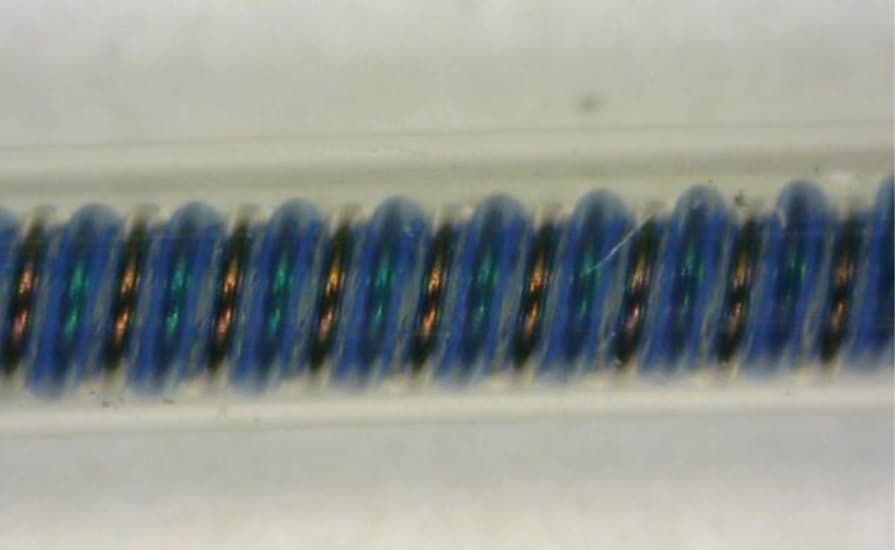
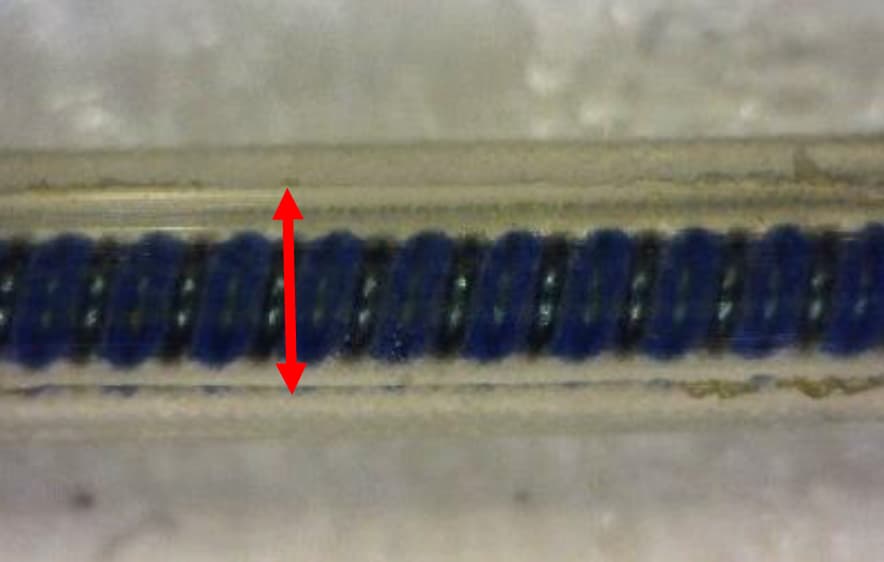
The silicone lead showed a large wear scar with a width of approximately 1.2 mm. Microscopic observation indicated severe wear on the silicone lead, with parallel deep grooves formed along the movement direction of the rubbing block.

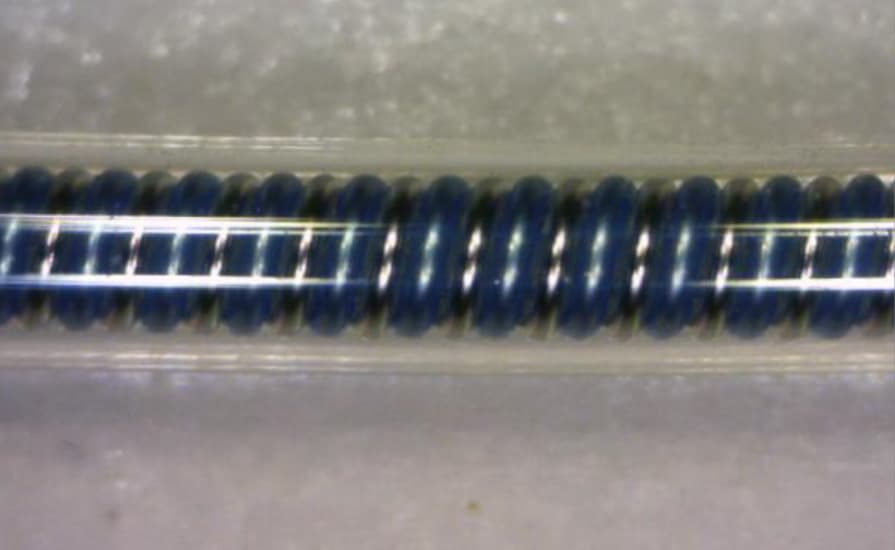
In comparison, the polyether-polyurethane lead showed a narrower wear scar of approximately 0.6 mm. The observed wear was milder, with only several small scratches visible on the shallow surface.

Wear of the lead outer insulation can contribute to pacing and sensing abnormalities, making wear resistance an important factor in endocardial lead material selection.6 These results indicate that polyether-polyurethane provided lower friction and better wear resistance than silicone under the tested conditions.

Before-and-after wear comparison of silicone and polyether-polyurethane pacing lead surfaces, including 400x microscope images showing more severe wear on silicone and milder wear on polyether-polyurethane.

Silicone pacing lead surface before wear testing in Hanks’ solution

Silicone pacing lead surface before reciprocating wear testing.

Polyether-polyurethane pacing lead surface before wear testing in Hanks’ solution

Polyether-polyurethane pacing lead surface before reciprocating wear testing.

Silicone pacing lead surface after wear testing showing a large wear scar

Silicone pacing lead surface after wear testing, showing a pronounced wear scar.

Polyether-polyurethane pacing lead surface after wear testing showing a smaller wear scar

Polyether-polyurethane pacing lead surface after reciprocating wear testing.

Microscope image at 400x magnification showing severe wear grooves on silicone pacing lead surface

400x microscope image of the silicone pacing lead after wear testing, showing deep parallel wear grooves.

Microscope image at 400x magnification showing mild wear on polyether-polyurethane pacing lead surface

400x microscope image of the polyether-polyurethane pacing lead after wear testing, showing comparatively mild surface wear.

Wniosek

This study demonstrated the use of low-load nano-friction testing and reciprocating wear testing to evaluate endocardial pacing lead insulation materials in Hanks’ solution. The Nano Module of the NANOVEA Mechanical Tester measured coefficient of friction under controlled low-load contact, while the NANOVEA Tribometer simulated wear behavior under reciprocating sliding motion.

Testing in Hanks’ solution showed a clear difference between silicone and polyether-polyurethane lead materials. Polyether-polyurethane exhibited lower coefficient of friction and better wear resistance than silicone under the tested conditions, making it the stronger candidate for the outer insulation material of endocardial pacing leads in this study.

These results highlight the importance of evaluating biomedical materials under application-relevant environments rather than relying only on dry testing. Controlled nano-friction and tribology testing can help compare candidate materials, quantify friction response, and evaluate wear resistance for implantable medical device components.

The NANOVEA Mechanical Tester’s Nano, Micro, and Macro modules operate within a single ISO and ASTM compliant platform, enabling consistent evaluation of hardness, elastic modulus, fracture toughness, and wear from a single system. The NANOVEA Tribometer similarly supports rotative and linear wear modes with optional high-temperature, corrosion, and liquid environment modules.

Referencje

[1] Magney JE, Flynn DM, Parsons JA, Staplin DH, Chin-Purcell MV, Milstein S, Hunter DW. Pacing Clin Electrophysiol. 1993; 16:445–457.
[2] Jacobs DM, Fink AS, Miller RP, Anderson WR, McVenes RD, Lessar JF, Cobian KE, et al. Pacing Clin Electrophysiol. 1993; 16:434–444.
[3] Gupta K, Villareal RP, Rasekh A, Massumi A. Tex Heart Inst J. 2003; 30:84–85.
[4] Magney JE, Parsons JA, Flynn DM, Hunter DW. Pacing Clin Electrophysiol. 1995; 18:1509–1517.
[5] Kazama S, Nishiyama K, Machii M, Tanaka K, Amano T, Nomura T, Ohuchi M, et al. Jpn Heart J. 1993; 34:193–200.
[6] Andrzej K, Barbara M, Agnieszka K, Marcin G. Pacing Clin Electrophysiol. 2013; 36(12):1503–1511.

Frequently Asked Questions About Pacing Lead Insulation Wear Testing

How do you evaluate friction and wear behavior of pacing lead insulation?

Pacing lead insulation can be evaluated using low-load friction testing and reciprocating wear testing. These methods measure coefficient of friction, wear scar formation, and surface damage under controlled load, motion, and environmental conditions.

Why is low-load friction testing important for endocardial leads?

Endocardial leads operate under relatively low contact forces while interacting with blood vessels, tissue, and surrounding structures. Low-load friction testing helps evaluate how insulation materials behave under contact conditions that are closer to the application than high-force mechanical testing alone.

What does coefficient of friction indicate in pacing lead material testing?

Coefficient of friction indicates how much resistance occurs during sliding contact between the lead insulation and a counter material. In this study, lower COF values in Hanks’ solution showed that the test environment had a strong effect on the measured friction behavior of silicone and polyether-polyurethane materials.

Why compare silicone and polyether-polyurethane lead insulation materials?

Silicone and polyether-polyurethane are commonly considered for flexible biomedical insulation applications because they can provide different combinations of flexibility, durability, and surface response. Comparing them under the same test conditions helps identify which material provides lower friction and better wear resistance for the intended application.

Which NANOVEA instruments are used for low-load friction and wear testing?

Low-load coefficient of friction can be measured using the Nano Module of a NANOVEA Mechanical Tester, while reciprocating wear behavior can be evaluated using a NANOVEA Tribometer. Together, these systems allow controlled evaluation of friction, wear, and material response for biomedical components.

How is reciprocating wear testing used for pacing lead materials?

Reciprocating wear testing repeatedly slides a counter material across the sample surface under controlled load to create and evaluate a wear track. For pacing lead insulation materials, this allows comparison of wear scar width, surface damage, and material durability under simulated sliding contact.

Need Reliable Medical Device Friction and Wear Testing?