PL
PL  EN
EN  ES
ES  DE
DE  FR
FR  IT
IT  ZH
ZH  JA
JA  PT
PT  TR
TR  KO
KO  AR
AR 

Wstęp
High temperature hardness testing provides insight into how the mechanical behavior of metals changes as temperature increases. Materials that exhibit high hardness at room temperature can soften significantly when exposed to elevated temperatures, making temperature-dependent hardness an important consideration when selecting materials for applications such as jet engines, high-temperature processing equipment, and other thermally demanding environments.
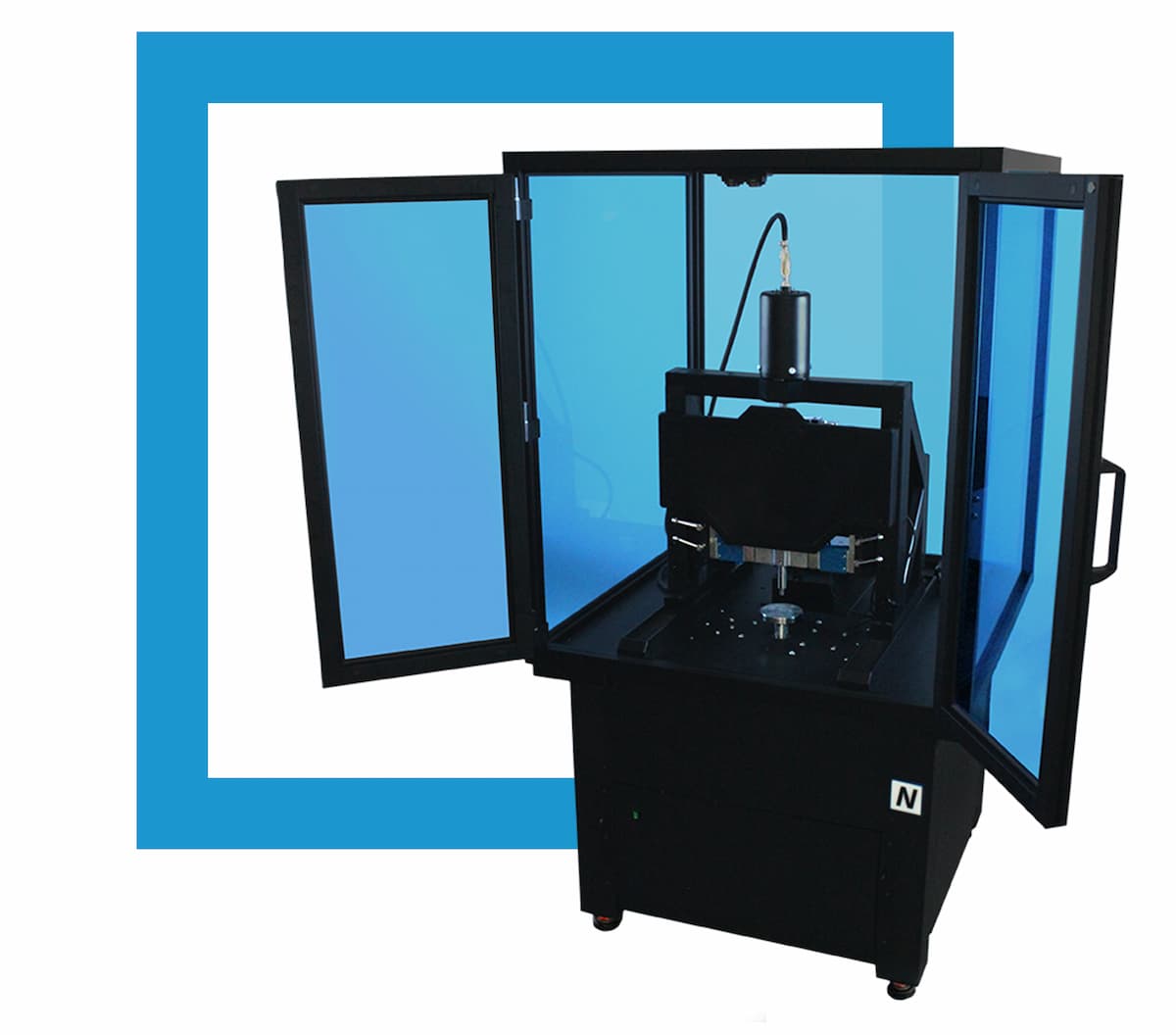
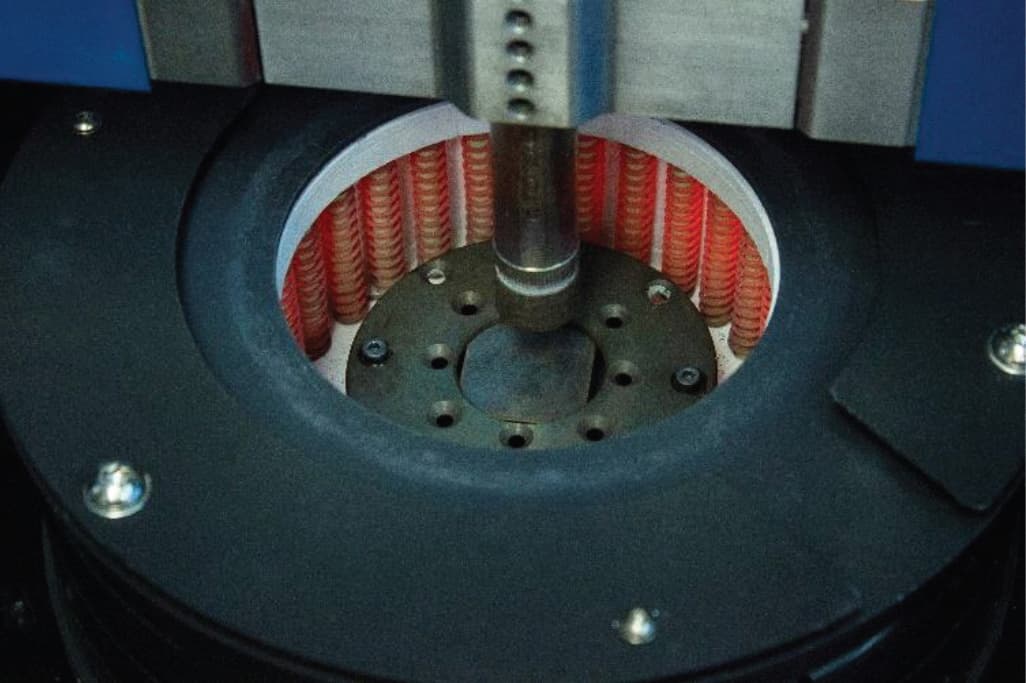
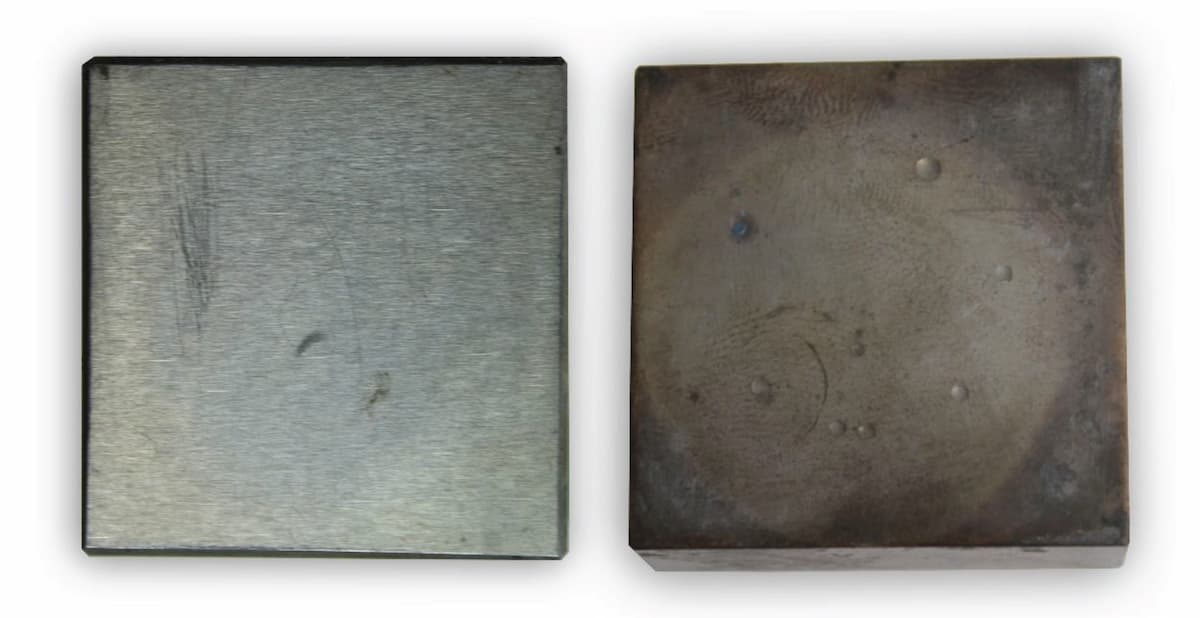
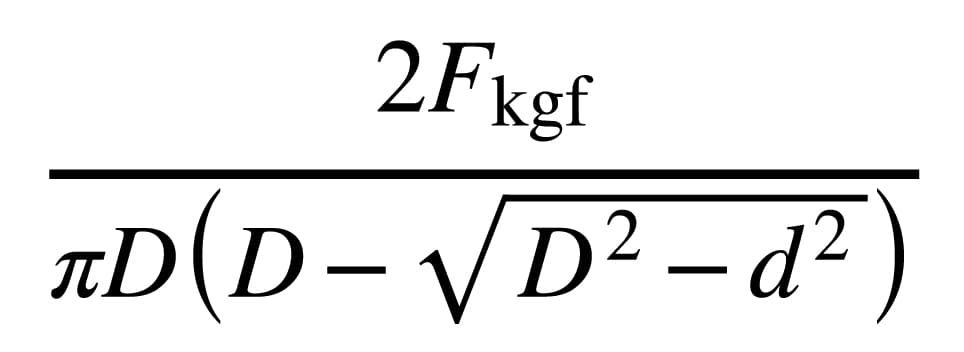
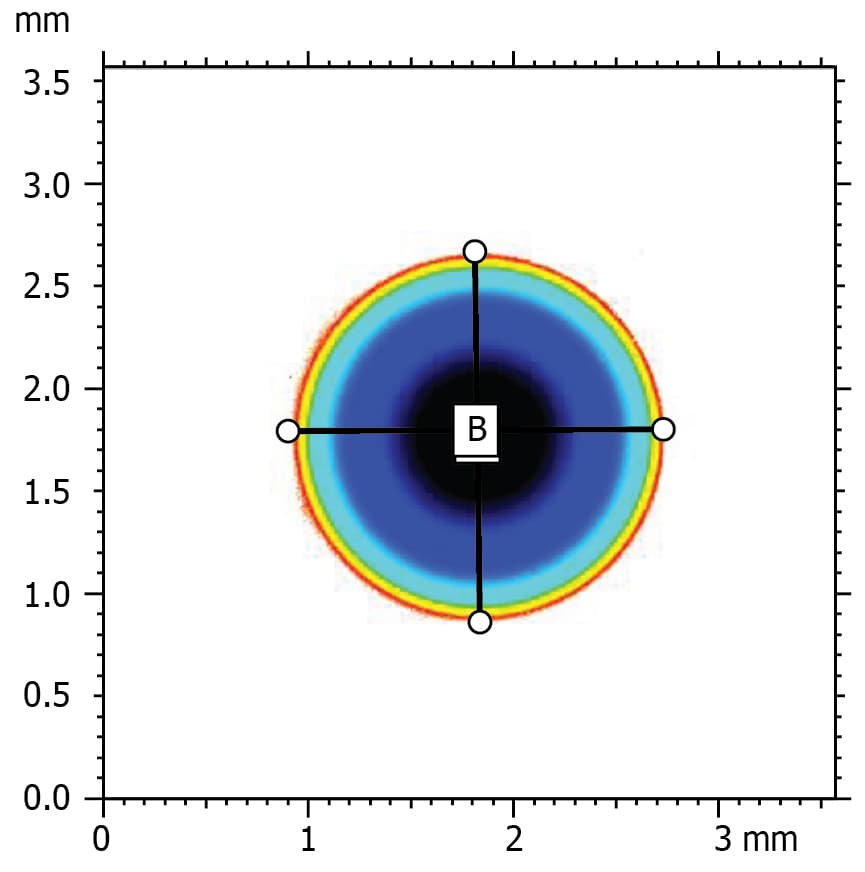
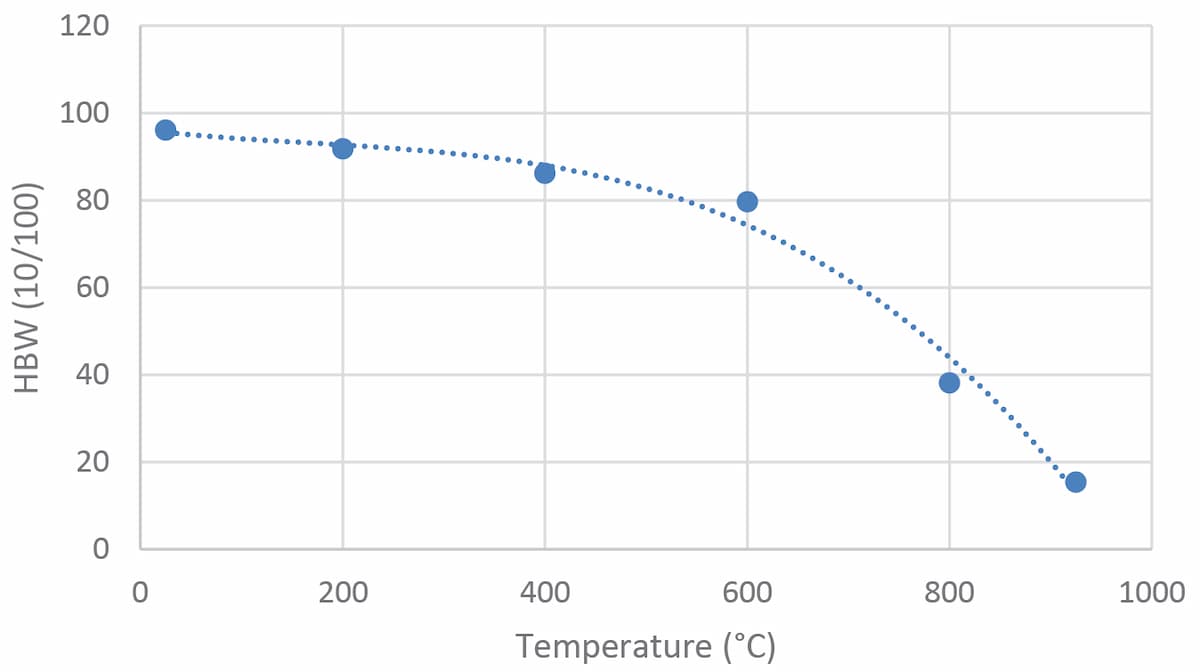
In this study, a steel sample was evaluated using Brinell indentation with the NANOVEA T2000 Tribometer. Hardness measurements were performed at 25, 200, 400, 600, 800, and 925°C to map the change in steel hardness with temperature. The results show a gradual reduction in hardness through approximately 600°C, followed by a much sharper decline at higher temperatures, resulting in an 84% decrease in hardness between room temperature and 925°C.
Why High Temperature Hardness Testing Matters
Hardness is a mechanical property that describes a material’s resistance to localized deformation. Higher hardness generally corresponds to greater resistance to indentation and permanent surface deformation.
Temperature can significantly alter this behavior. A material that remains hard at room temperature may soften as temperature increases, changing its mechanical response under elevated-temperature conditions. For materials intended for high-temperature applications, understanding these changes is important when evaluating their mechanical limits.
High temperature hardness testing makes it possible to measure these changes directly as temperature increases rather than relying only on room-temperature properties. In this study, the steel sample provides a clear example of how hardness can remain relatively stable over part of the temperature range before declining rapidly at higher temperatures.