ZH
ZH  EN
EN  ES
ES  DE
DE  FR
FR  IT
IT  JA
JA  PT
PT  TR
TR  KO
KO  PL
PL  AR
AR 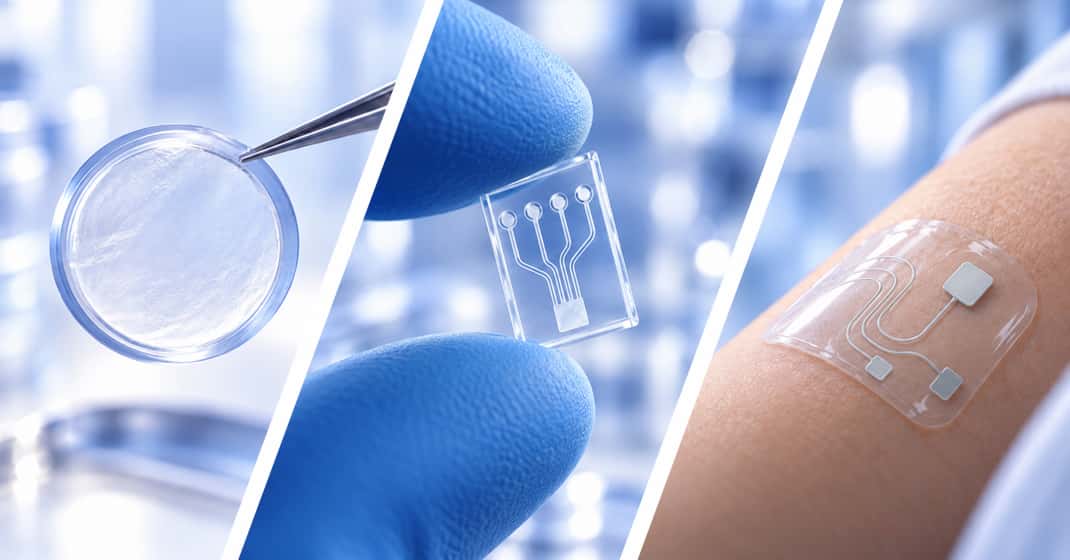
简介
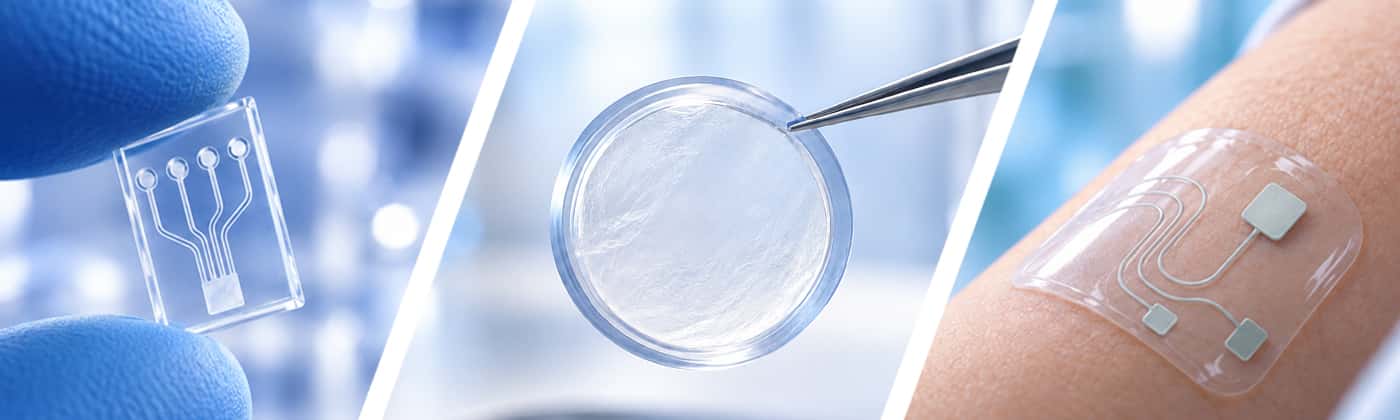
Soft, transparent, and easily deformable materials are increasingly important across advanced applications including flexible bioelectronics, wearable sensors, biomedical interfaces, microfluidic devices, and other polymer-based technologies. Characterizing these materials can be difficult because the measurement method itself may influence the surface or fail to capture it reliably.
Contact-based techniques can deform, scratch, or move soft materials during measurement, while transparent or absorptive surfaces can present additional challenges for some optical techniques. Non-contact profilometry avoids physical interaction with the sample while enabling quantitative surface characterization across challenging material types.
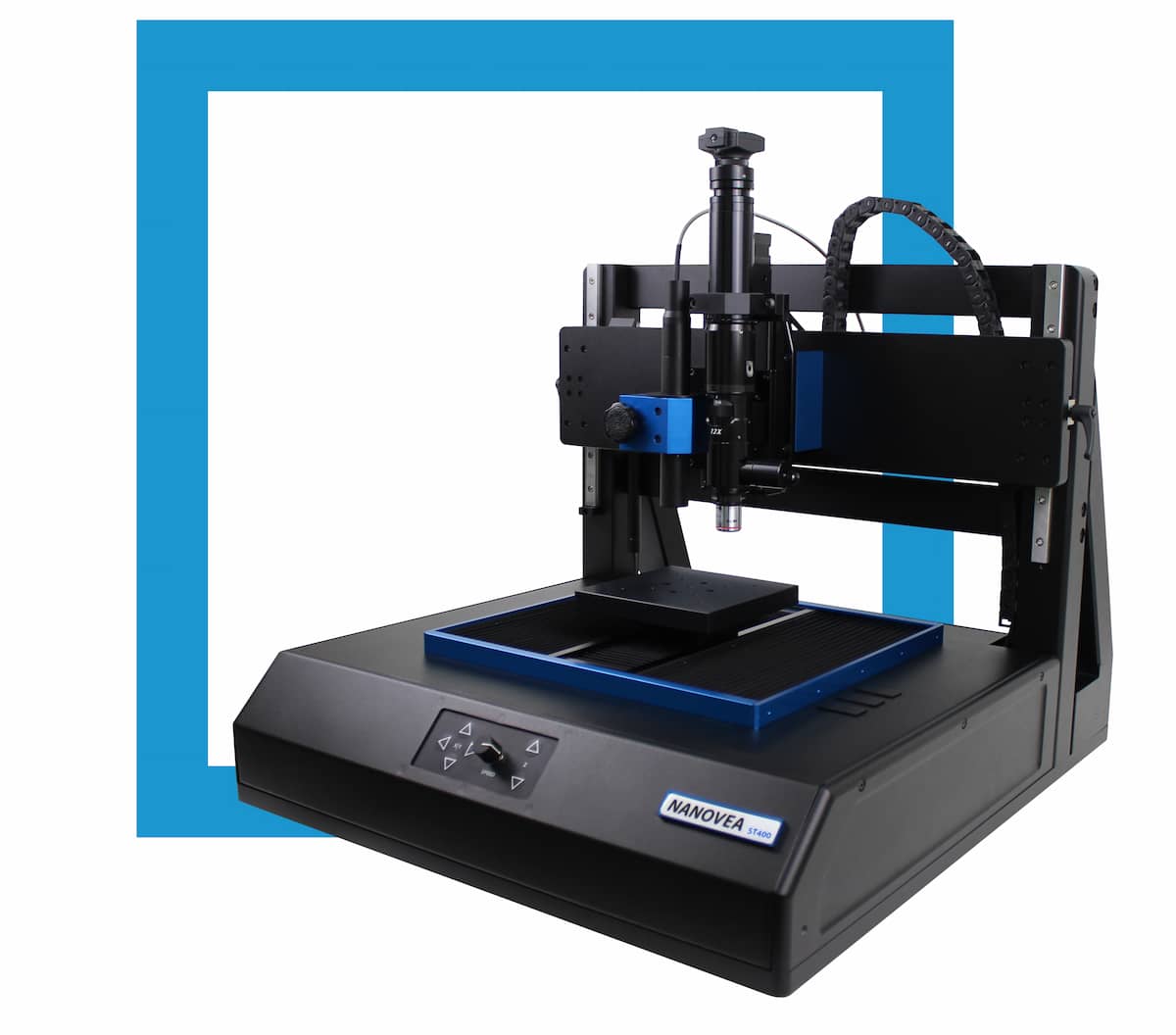
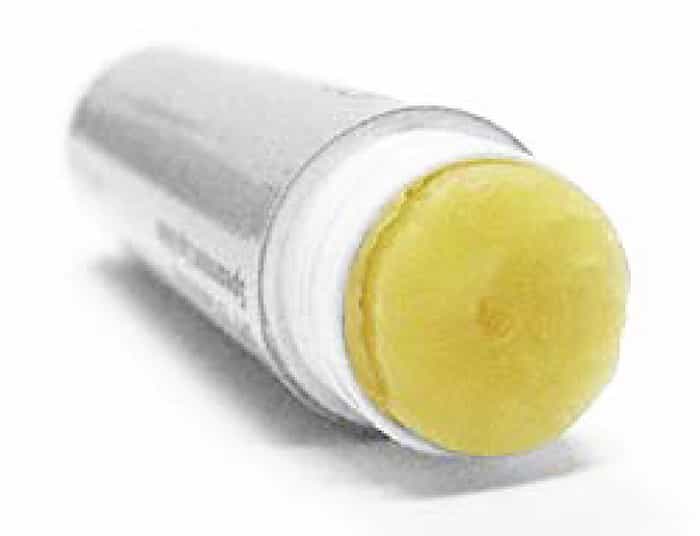
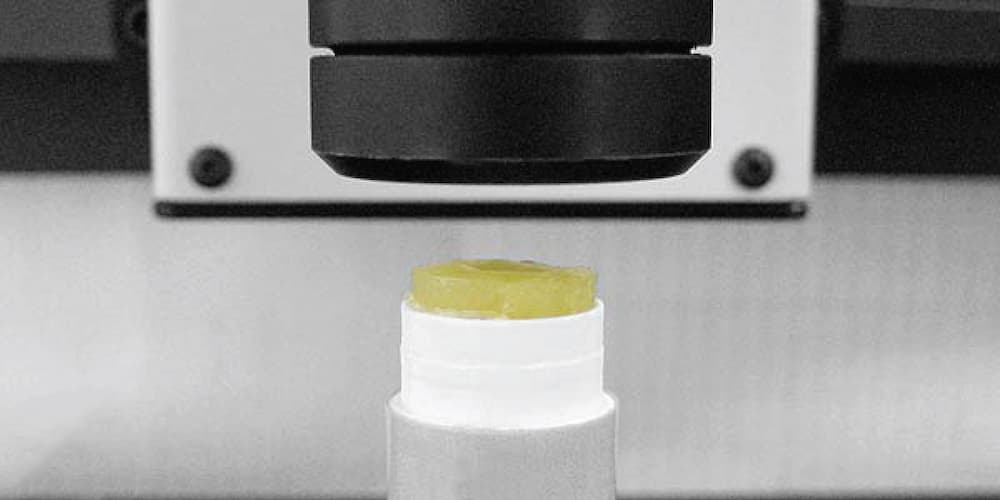
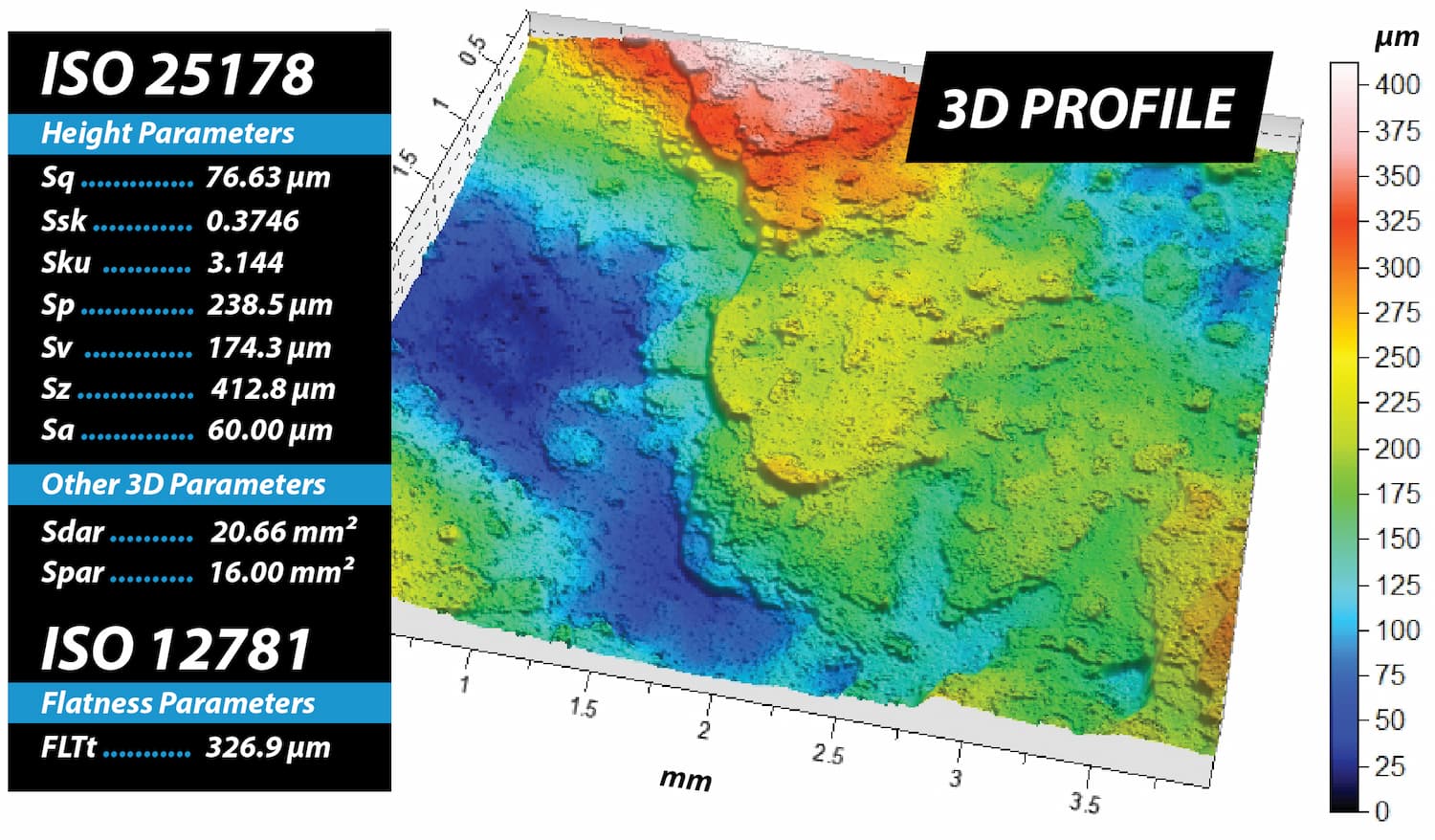
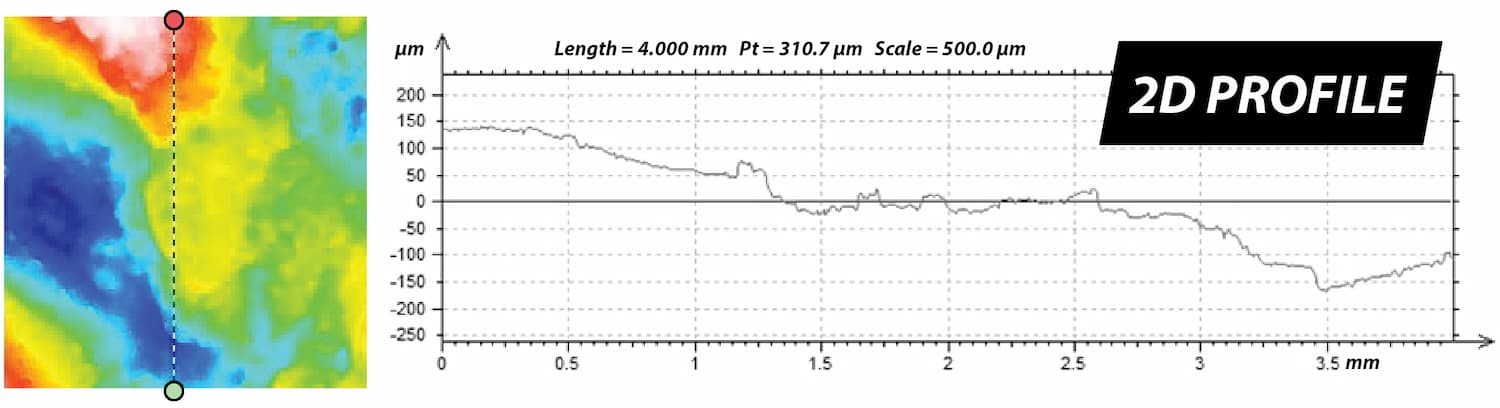
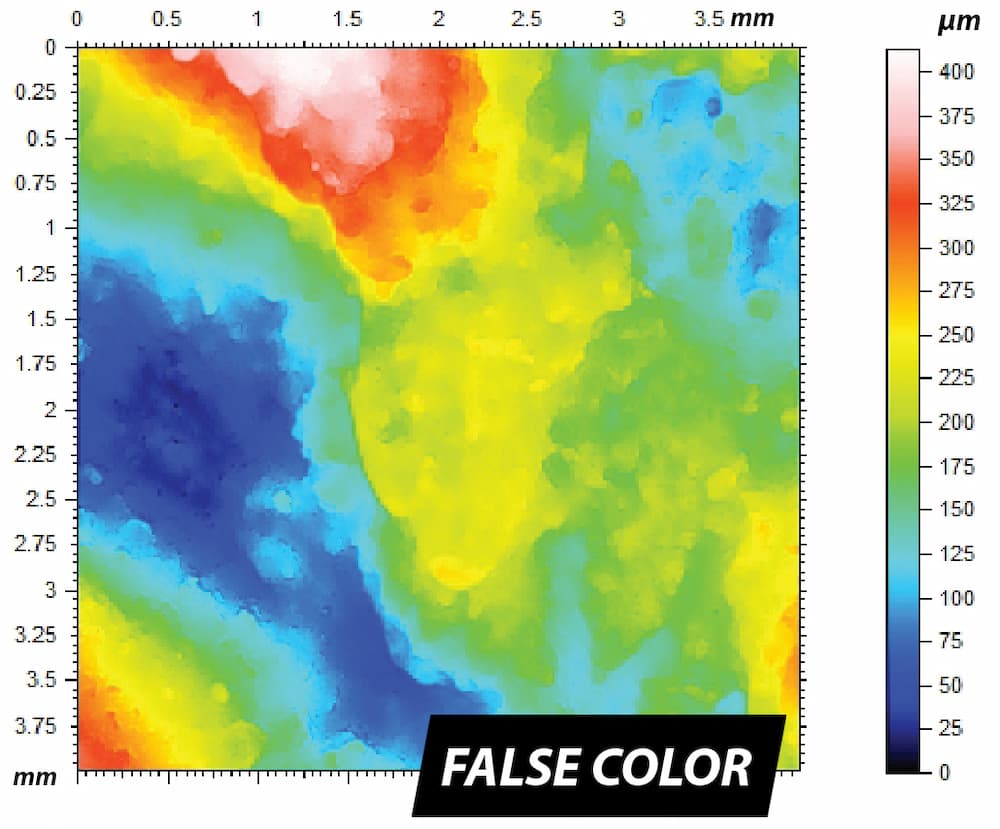
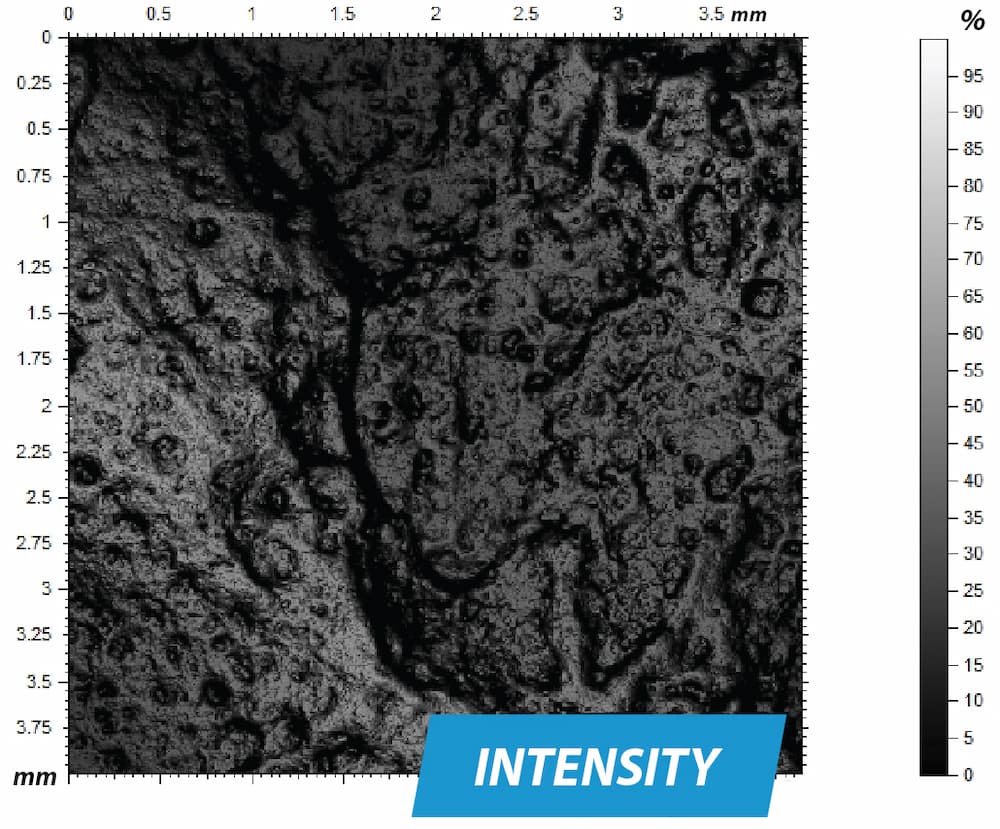
In this study, an extremely soft and transparent petroleum-jelly-based material was selected as a demanding proof-of-concept sample. Using the NANOVEA ST400 Profilometer, the surface was characterized without physical contact or sample preparation to demonstrate the broader capability of non-contact profilometry for delicate and difficult-to-measure materials.
The Advantage of Non-Contact Profilometry for Challenging Materials
Soft materials can be difficult to measure accurately because physical contact may alter the surface during the measurement itself. Films, gels, and other compliant materials can deform, scratch, or move under a contacting probe, potentially changing the geometry being characterized.
Transparent and absorptive surfaces can introduce additional measurement challenges for some optical techniques, including effects associated with light transmission, absorption, and internal reflections. NANOVEA Non-Contact Profilometers use axial chromatism to determine surface height without physically contacting the sample.
This combination enables quantitative characterization of challenging surfaces while minimizing measurement influence. Depending on the application, measurements can include surface roughness, flatness, 3D topography, surface area, profile geometry, and other dimensional characteristics without requiring sample preparation.